"The
Formula"
Brian Fraser, HCC-130, Due 10-21-04
Copyright 2004, 2011, 2012, 2014-2024 by Brian Fraser
Updated 11-24-2025a
I was a young
student at the local university. When flu season came along, I would
always get sick with influenza, usually for a solid week. I was taking
a heavy class load in chemical engineering, and, of all times, I did
not want to get sick just before final exams. I also did not have the
money to see a doctor, nor did I like going to the infirmary and
sitting around with the other sick kids only to be told by the doctor,
"There is nothing I can do for you. You just need a lot of rest until
this passes." I did not have time to rest and I HATED BEING MISERABLE!
I needed to find a way to get rid of the flu quickly.
In those days
there was a lot of talk about vitamin C, and how it could help fight
off the flu. I decided to look into it. I got some nutrition books by
Adelle Davis and started reading. I found that vitamin C was necessary
to make the antibody complement (among other things) and that the need
for it skyrocketed during an illness. But that was only part of the
story. Pantothenic acid, vitamin B6 and
magnesium were needed too. These nutrients were in especially high
demand by the body during a viral illness.
I finally
developed a protocol that I felt would help me recover from the flu. It
went like this:
When
very sick with the flu, take the following, without
fail,
every four hours for about 24 hours:
1.
Vitamin C, 1000-2000 mg
2.
Pantothenic acid, 200-400 mg
3.
Vitamin B6, 25 mg (pyridoxal 5 prime phosphate
preferred)
4.
Magnesium, 50-200 mg
5.
Vitamin A palmitate (or vitamin A from fish oil) 10,000 I.U.
Additionally:
6.
Stay somewhat uncomfortably warm. Avoid taking antipyretic drugs like
aspirin unless the fever is getting really high (103-104 F +)
7.
If possible, eat something nutritious, even if it is only a bowl of
vegetable soup.
8.
Take a quality multivitamin a few times during the 24 hours.
This was the "bare
bones" student version of the protocol. The dosages were approximately
what I would take when I was already very sick
with the flu. Milder cases did not require as much.
When I was utterly
sick and miserable, the formula was hard to take. I knew
missing a dose would be problematic. The need for vitamin C skyrockets
to about 70 times normal during such an illness. And pantothenic acid
is needed to form some thirty-odd adrenal hormones and for the
production of antibodies and gamma globulins. If I missed a dose, I
would quickly become deficient in these nutrients for which there was
such an extreme demand. So I had to set an alarm clock to make sure I
got up every four hours to take each dose.
I also learned how
to fine tune the formula to my particular needs. If I took more vitamin
C than my intestines could absorb, I would get temporary diarrhea
(timed-release vitamin C seemed to mitigate this problem). If I took
more than my body needed, it would act as a diuretic. And staying warm
was not enough; I had to be slightly uncomfortably
warm to get well. This little nuance seemed to make a big difference.
Sometimes, due to circumstances, I would not have one of the
ingredients, usually pantothenic acid or B6. I
would not run a temperature or get well quickly until I supplied the
missing ingredient.
The response to
"the formula," as I called it, was very predictable. During the first
1-8 hours, absolutely nothing would happen. No improvement, no change .
. . nothing. After about 8-12 hours I would see hints that I might be
getting better, but I was still very sick. At about 12-16 hours I would
feel that I was definitely getting better. After 16 hours I was sure
the illness was coming under control rapidly. After 24 hours, and
almost to the exact hour, I would be essentially over the "active
disease" portion of the illness and into the "clean up" phase. I would
be well enough to go back to school, or to work, but I would still be
blowing my nose, maybe taking an occasional antihistamine, and
massaging a few stiff muscles. And my need for the formula would
continue, but at a much reduced level, for another two or three weeks.
Eventually I
realized that I did not need to get sick first in order to get well. At
the first sign of the flu I would take a scaled-down version of the
formula. I would run a temperature for a few hours, but not get sick.
Or I would feel inexplicably tired, but not get ill (or even run a
temperature) when half the office was out with the flu. This
realization seems silly now, looking back on it. But modern
"healthcare" is really "sickness care" not "wellness care." We still
suffer from the same misconceptions today!
Years later, I was
working at an engineering job at an international company. We
continually had people flying back and forth to the Far East. They
would bring back every edition of the flu imaginable. And, it seemed
that people in the office did not know anything about healthcare. They
would sneeze openly into the room without covering their mouth. Or if
they covered their mouth, they would not wash their hands. As they
subsequently handled common objects like door knobs, microwave ovens,
file cabinets, phones, paper cutters, staplers, etc., the flu would
rapidly spread. I finally got tired of this. Maybe I should let my work
mates know about my formula—now thirty years old.
I convinced one
lady, a "cubemate" to try it. She said that it worked well and began
calling it "the recipe". When her husband got sick, he tried it and it
worked for him too. I wish I could have pursued this little experiment
further, and had been able to test the various enhancements I developed
over the years beyond the original student version. But the economy
took a dive and we all got laid off. And that was the end of that.
Note
from Brian Fraser: The article above was written as a
student paper for a healthcare class I was taking at Gateway Community
College in Phoenix, Arizona. I am placing it on the Internet
because this season (2004-2005) there is a shortage of flu shots and
people may want to explore alternatives which have been very effective
for some people.
Note
that the above paper only deals with ordinary bouts of the flu. People
who are extremely ill will likely be hospitalized and under the
immediate care of a physician. In such a case I recommend that the
equivalent of these nutrients be given by injection or in an IV. I have
no experience with these situations however, nor have I received any
reports of such.
March 2020 note:
In
China, doctors have found high-dose vitamin C effective in preventing
complications from the COVID-19 corona virus but the media in the
United States regard this as "fake news".
"Quercetin
and Vitamin C: An Experimental, Synergistic Therapy for the Prevention
and Treatment of SARS-CoV-2 Related Disease (COVID-19)", Ruben Manuel
Luciano Colunga Biancatelli, Max Berrill, John D. Catravas, and Paul E.
Marik Front.
Immunol., (19 June 2020) https://www.frontiersin.org/articles/10.3389/fimmu.2020.01451/full
Using
this rationale, researchers are postulating that vitamin C should be
administered with quercetin because it can recycle oxidized quercetin,
producing a synergistic effect and enhancing quercetin's antiviral
capability . . ."
Use of Vitamin C in treatment of sepsis
(sepsis is multiple organ failure due to a dysregulated immune system):
One
of the obstacles to the use of vitamins C, D3, K2, A and
minerals
magnesium and zinc (with quercetin) is
that some doctors think of these protocols as "treatments" or "drugs".
In the United States the FDA regulations state that a
"diagnosis", "treatment",
or "cure" or "prevention", or "mitigation" can only be
effected by
an FDA approved procedure, drug (Note: Vaccines do not diagnose, treat
or prevent SARS-CoV-2 or COVID). Such things have to undergo various
formal trials, peer
reviews, scientific consensus, etc., to have such a "standard of care"
legal status.
But what is being missed in the United States is that
vitamins
are NOT considered to be drugs. A doctor could say "Eat baked
fish and maybe your health will improve and you'll get some relief of
symptoms (including death)." That would NOT be considered
experimental medicine on human subjects (Nazi style) with unapproved or
experimental drugs.
This approach is essentially nutritional, and can be used
immediately. Give the body what it
needs and its immune system will defeat the virus. It can be viewed as
"normalization" of the patient (bringing the patient to a known,
standard state so that medical
treatment can follow). It is like giving a person water if he is
dehydrated. Doctors don't need
FDA approval to recommend eating an orange, taking
vitamin C, or drinking water.
Nutrition and drugs can BOTH be used to defeat COVID-19
infections. (Addition of olive leaf extract and /or
monolaurin will increase the potency of this protocol. )
Another problem in the United
States is that
"healthcare" is operationally equivalent to "sickness care".
This
means that you have to get sick first before you can be "diagnosed" or
"treated" for an illness. This leads tobizarre statements in the media like "You only need to
take fish oil supplements if you have already had a heart
attack." In other words, fish oil supplements are only helpful for
preventing a second
heart attack. In the case at hand, massive doses of vitamin C
are
required only if you are hospitalized with a serious illness.
But why let things go that far? Use appropriate physiological
doses of vitamin C (among other things) and you won't even get sick in
the first place.
Another
misconception is that your need for vitamin C is easily supplied by a
normal diet of fruits and vegetables. That may well be true IF YOU ARE
HEALTHY. But with illness, your need for vitamin C
skyrockets far beyond levels that can be supplied by diet alone.
You will need supplements until you get back to normal.
"Extended
release" supplements of vitamin C are usually better tolerated by the
digestive tract than an "immediate release" dose.
If
you have a loved one in a hospital who is very ill with the flu or
COVID-19, suggest to the doctor in charge the addition of
nutritional supplements like Vitamin C, D3, A (for sore throat) , and
zinc with an ionophore (quercetin, green tea extract, or
hydroxchloroquine). Include monolaurin if possible because "SARS-CoV-2,
thevirusthat
causes COVID-19, is an envelopedvirus".
If he balks, ask if
the patient is allowed to participate in his own treatment, and stress
that this is not a "medical
standard of care" protocol. Doctors usually will not suggest
nutritional supplements because of peer pressure or policy reasons, but
may be open to patient
or caretaker
requests. AVOID using words like "cure" or "treatment", as these have
specific legal meaings. Also, be aware of possible Herxheimer
reactions, especially with initial doses of olive leaf extract.
These can be mitigated with N acetyl L cysteine (NAC) and
milk thistle extract, and melatonin.
In
the United States, Emergency Use Authorization (EUA) of a vaccine is
valid only if there are no alternative "treatments". In the
case
of COVID19 disease, vaccines are clearly not the only solution.
And so anyone making such a claim is viewed as "promoting
disinformation" and is a "possible domestic terrorist" intent on
subverting the medical system. NAC has been classified as a
"supplement" for decades, but the FDA recently sent out letters warning
of its intent to classify it as a drug (NAC can "mitigate" the
inflammation accompanying COVID19). Death due to COVID19
vaccinations will often be classified as due to "pneumonia",
"cardiomyopathy", etc., because insurance companies usually won't pay
for complications caused by an experimental drug (hence, the vaccines
get the appearance of safety). The PCR test (which was not supposed to
be used as a diagnostic) was originally set at a "cycle threshold" of
40 by the FDA, which resulted in mostly "false positives" by detecting
inactive viral fragments. In January 2021 it was lowered to a more
reasonable 27, and --surprise, surprise--, the COVID19 "cases" dropped
dramatically, and of course the vaccines got the credit.
A scheme built
on official lies is not going to turn out well. Says the Bible: "For
the wisdom of this world is foolishness before God. For it is written,
"He is the one who catches the wise in their craftiness"; and again,
"The Lord knows the reasonings of the wise, that they are useless". ( 1
Cor 3:19-20) No doubt "the authorities" will be offended by these
statements. When confronted with a similar situation, Jesus
said:
" Let them alone; they are blind guides of the blind. And if a blind
man guides a blind man, both will fall into a pit." (Matthew
15:14) The extensive use of an experimental "vaccine" (really
a gene therapy) in the face
of viable alternatives will result in many as yet unrealized pitfalls.
(Psalms 5:10, 7:15-16, 9:15-16)
Pitfalls
include the growing suspicion that the COVID19 spike protein
itself, and not the virus (SARS-CoV2), causes damage to the vascular
system. The "vaccine", which is really a gene therapy, teaches the
body's cells to make an abnormal version of this very protein. The
effect is supposed to be
temporary, but because there are no long-term studies, the
long
term effects are not known. Additionally, if reproductive cells (e.g.,
sperm cells) are affected indirectly by these instructions, they can be
passed on
to offspring, and then to subsequent offspring,
etc., affecting
generations. In such a case the immune system will regard the protein
as part of "self " and will probably not react to it. Again, these are
just worrisome suspicions at this point. But problems in the
future years, may include, autoimmune disorders,
Guillian-Barre
syndrome, neurological damage, clotting disorders, right-side heart
failure (due to microclots in the lungs), damage to the
endothelium, heart failure, strokes, capillary leak syndrome, prion
diseases, blood transfusion
safety concerns, blood clots during airline travel, Air Force and
airline pilots dropping dead while piloting an aircraft, truck drivers
with the same risk, activation of
latent viruses (shingles, herpes etc.), cancer, exosomal
shedding
(whereby vaccinated people become a danger to the unvaccinated), Antibody
Dependent Enhancement (ADE), and
various other maladies. Nobody seems to know for sure where
all
this is headed. In 10-15 years all this could turn into a catastrophic
nightmare, the origins of which will either be covered up or simply
forgotten. ( See "Worse Than the
Disease?
Reviewing Some Possible Unintended Consequences of the mRNA Vaccines
Against COVID-19", authors Stephanie Seneff (Computer Science and
Artificial Intelligence Laboratory, MIT, Cambridge MA, 02139, USA),
Greg Nigh (Naturopathic Oncology, Immersion Health, Portland, OR 97214,
USA) International
Journal of Vaccine Theory, Practice and Research, May 10,
2021; 2(1): 402-444, https://ijvtpr.com/index.php/IJVTPR/article/view/23
;
See also:
https://www.ncbi.nlm.nih.gov/pmc/articles/PMC7083203/
;
https://www.cell.com/cell-host-microbe/fulltext/S1931-3128(09)00354-0
) Also, a group of
27 clinicians, researchers and advocates filed an
urgent Citizen Petition with
the U.S. Food and Drug Administration (FDA) urging the agency not to
prematurely grant full approval to any COVID vaccine.https://www.regulations.gov/document/FDA-2021-P-0521-0001
; https://fromthetrenchesworldreport.com/urgent-british-report-calls-for-complete-cessation-of-covid-vaccines-in-humans/287596
; https://americasfrontlinedoctors.org/action_alerts/identifying-post-vaccination-complications-their-causes-an-analysis-of-covid-19-patient-data/ https://medicalxpress.com/news/2021-04-sars-cov-spike-protein-lung.html
Last
month, the AAPS conducted a survey among physicians which returned some
rather controversial findings. According to the internet survey, nearly
60 percent of physicians said they were not “fully vaccinated” against
COVID. . . .
When
giving reasons for declining the vaccine, a whopping 54 percent of
respondents said they were aware of patients suffering a “significant
adverse reaction.” Of the unvaccinated physicians, 80 percent said “I
believe risk of shots exceeds risk of disease,” and 30% said “I already
had COVID.”
Other
reasons for declining the shot, according to the survey, included
unknown long-term effects, use of aborted fetal tissue, “it’s
experimental,” availability of effective early treatment, and reports
of deaths and blood clots.
“Causality
is not proven. However, many of these episodes might have resulted in a
huge product liability or malpractice award if they had occurred after
a new drug,” stated Dr. Orient. “Purveyors of these COVID products are
protected against lawsuits.”
The benefit of the vaccine, of course, is that it is supposed to be
effective in preventing "mild
symptoms" of COVID19. Why bother?
The benefits of wearing the common
ear-loop masks are . . . well, read the label on the box:
The label
reads" "THIS PRODUCT IS AN EAR LOOP MASK. THIS
PRODUCT IS NOT A RESPIRATOR AND WILL NOT PROVIDE
ANY PROTECTION AGAINST COVID-19 OR OTHER VIRUSES
OR CONTAMINANTS. Wearing an ear loop mask does not reduce the
risk of contracting any disease or infection . . ." https://cdn.thetruthaboutcancer.com/wp-content/
uploads/20200529154320/Warning-Mask.jpg
This label
was on the boxes a couple of years ago. Now, it no longer appears!
Suddenly masks are very effective (???)
And, masks supposedly protect only the wearer himself
from the virus (not other people from an unsuspected
diseased wearer).
BF EDITORIAL (version2a)
You
cannot fight something with nothing. And fighting with a fog bank that
impedes your progress is ineffective and pointless (like all the
complaining in those forums). There
would be no call for mandates or repressive measures if
people
(vaccinated or unvaccinated) took better care of themselves and did not
get sick. People with depleted immune systems need nutrients just like
a car that runs out of gas. Here in Arizona people get seriously
dehydrated during the hot summer. The authorities here recommend
"drinking plenty of water". Water is not a DRUG and therefore,
according to FDA rules, cannot "diagnose, treat, cure or prevent" a
serious dis-ease like dehydration. But it is still recommended by the
authorities. If they can recommend that, then they can also recommend
nutrients need by a depleted immune system. These are not
drugs
either and cannot "cure" any disease in accordance with the games the
FDA is playing with its special reserved words. They will just make
people normal.
I
prefer to use the term "Obviation" when recommending the use of vitamin
C, D3, zinc, quercetin, etc, to fortify the immune system. This avoids
stepping on the FDA's special reserved word landmines. Here in Phoenix,
Arizona we have tragic problems with child drownings in private
swimming pools. If there were no PRIVATE pools, this problem
would be OBVIATED. You cannot diagnose, treat, cure, or prevent
something that does not exist in the first place. Not
having a private swimming pool is not a "treatment" for the tragic
drownings we experience here in Arizona; drownings simply cannot even
happen in a non-existent pool; no "diagnosis", "cure", "prevention" or
"treatment" is even possible. Be clear
that "Maintenance of normal health" is an obviation
that does not deal with COVID19 or the legalities of FDA word games. Obviation
removes COVID 19 from the picture altogether (people just don't get
sick). Choose your words carefully, especially around medical
and
government people.
Obviation is NOT an actual intervention for
a disease condition. And it does not preclude the formal application of
"medical standard of care" if such is needed.
Giving
nutritional supplements in accord with published protocols to restore a
depleted immune system AT A PATIENT ADVOCATE'S request should certainly
be legal and permissible. Doctors may not agree that it will be
effective, but if not, at least it satisfies the "First, do no harm"
directive. This is NOT a MEDICAL intervention, but such is not excluded
either. And it should help defuse the accusations and anger that the
medical profession is "doing nothing" to save a loved one's life.
A
request to use ivermectin should be honored under the "Right to Try
Act" (U.S.A.
https://www.fda.gov/patients/learn-about-expanded-access-and-other-treatment-options/right-try
). A nutritionally competent immune system helps it work
most effectively.
If
LOCAL governments would ACT, we could be done with this pandemic in a
month or two. But people need help in finding the right
information because of all the censorship and ridicule. (All the
observing, complaining, griping, accusing, and concluding on these
forums is useless. We need ACTION.)
Alas, "A patient cured is a customer lost". Note
the ancient sayings that "the wisdom of the world is foolishness with
God" and God will "set aside the wisdom of the wise man". This "setting
aside" is an "obviation".
It is solving the problem without dealing
with it directly. If you get tangled up in the problem, you will lose
with these idiots. They have a different agenda and they are beyond
reason. Instead, BYPASS THEM. Use
obviation as your problem solving tool. (See http://scripturalphysics.org/etc/Solutions.html
; https://fee.org/articles/the-cobra-effect-lessons-in-unintended-consequences/) .
BF EDITORIAL (Biden's Edict, Sept
2021)
Biden's
proposed scheme is really a testing mandate, not a vaccine mandate. It
has been officially acknowledged that both apparently healthy
vaccinated and unvaccinated people are capable of spreading the virus.
Yet only the unpopular minority, the UNvaccinated, are compelled to be
tested for the SARS-CoV-2 virus. This is surely selective enforcement
and not equal protection under the law. People in either group can
become infected and ill from the virus, and so BOTH groups need to be
tested without prejudice. Compelling only an unpopular minority to
submit to repeated unwanted medical testing cannot be Constitutionally
supported. The
hospitals, and many other businesses, are following the political
science instead of the biological science. May they reap what they sow. As
for our leaders, they need to be reminded of the Proverb (18:21) "Death
and life are in the power of the tongue." Sticks and stones may break
your bones, but the wrong words
can kill millions.
BF EDITORIAL (Psychological
Operations, Nov 2021a)
How do you
know if you are the target audience of a Psychological Operation?
Look for these signs:
1. The
presence of fear, confusion, anxiety, urgency, repetition.
2. Use of division, anger, blame, isolation. 3. The use
of ridicule and unfounded accusations. 4. The
widespread use of censorship, suppression of contrary viewpoints and
information. 5. The use
of bribes, coercion, mandates, threats of violence, intimidation. 6. The
government breaking its own rules in the interest of "national
security", "safety", etc.
7. Attempts to break up a sense of community.
These
techniques are well known and are used by governments and "cults"
(religious, business, patriotic, etc.) They are usually very effective
and often invisible. People believe they are doing the right
thing. They know something is wrong, however, and must find someone, or
something to blame.
These
characteristics are straight out of the playbook for communism. The
communists have slowly and quietly "infiltrated" and "permeated" our
society since about the 1960s. It began with the sexual revolution
(based on the doctrine that we are just animals, and morals are
consequently irrelevant and artificial). That led to single parent
families, and angry fatherless boys, and a rise in crime. That led to
welfare and government supported welfare. That led to "entitlements"
and the claim that the "free money" was not being distributed fairly.
More and more dependence on government followed. The national deficit
becomes astronomically large and unsustainable.
Communist
infiltration is like a fog bank. Something impedes visibility and
progress, but there
is nothing to come to grips with. It is like carbon monoxide poisoning.
You know something is wrong, but your mind is so impaired you cannot
figure it out.
WE ARE BEING
PLAYED! Wake up people! See the larger picture before it is
too late!
You
will realize that the problem is NOT with a coronavirus but with the
actions of governments and mass media. Their motive is probably money,
power and control.
The
virus is real but the "Pandemic Emergency" is fake. There are
many alternatives to COVID19 treatment besides vaccines,
and that destroys the legal basis for the "Emergency". Its purpose
seems
to be to separate people from each other. That is why there are
restrictions and bans on group gatherings such as in gyms, theaters,
football games, bars, restaurants, mass transportation, churches,
schools, etc. A pandemic is the perfect
cover for such scheme. Breaking up a sense of community is a
key strategy of Communism. It gives
people a sense of confusion, frustration, anger, and powerlessness and
makes them more receptive to the machinations of corrupt
government that promises to save them from their woes.
In the USA an effective pushback for this scam would be
to sue the Federal U.S. government for promoting a fake
emergency. Suing on Constitutional grounds will be pointless because
our Constitutionally protect rights can be suspended during
an
emergency. Hence, this fake emergency must be attacked head on. If even
one Federal lawsuit can proceed with this strategy, the legal
"discovery process" will open up sources of information that are
currently inaccessible. And Fauci will be deposed under oath. All fifty
states and the entire world will have
access to this new information. The pandemic will suddenly end. And the
time for justice will arrive!
"Ending
the COVID-19 pandemic will require long-lived immunity to SARS-CoV-2.
Here, we evaluate 254 COVID-19 patients longitudinally up to 8 months
and find durable broad-based immune responses. . . . Taken together,
these results suggest that broad and effective immunity may persist
long-term in recovered COVID-19 patients.
"COVID-19 early treatment: real-time analysis of
1,266 studies" https://c19early.com/
"You
can always count on Americans to do the right thing —after
they've tried everything else." (Winston
Churchill )
"Do nothing until we know everything that doesn't work"
(author unknown)
“Experience teaches us to
be most on our guard to protect liberty
when the government’s purposes are beneficent.”
—Supreme Court Justice Louis D. Brandeis
Control of
vomiting: One problem I had to confront
when using a nutritional treatment for the flu was how to take the
formula if I were so nauseated I could not eat anything. My experience
with this problem is limited, and my solution to it is only for the
so-called "stomach flu." The remedy was simple. I reasoned
that I felt like vomiting because my stomach wanted to get rid of
something it did not like. I decided to just help it along on its
natural course. I drank a large cup of water and
then sat myself in front of the toilet. After about 10 minutes, I threw
up rather forcefully. Then I drank more water. This time it stayed down
for twenty minutes. I threw up again, but the fluid was much
clearer. I drank more water, and after it had stayed down for
about 30 minutes, I decided that my stomach was "rinsed out enough" to
tolerate a little of my formula. I mashed all the pills with a spoon so
if I vomited again, I would not be choking on a half-dissolved tablet.
The procedure worked fine and I got well quickly.
I
was not so fortunate with my second encounter with this problem years
later. I was in a hotel and was very tired. I kept throwing
up about every 45 minutes throughout the night. I would sleep
and throw up, sleep a little more and throw up. . . After
what seemed like a half-dozen cycles of this, I decided to use my
Drastic Solution: I put two drops of tincture of iodine in a
cup of water and drank it. The water tasted terrible, but I
felt that whatever "bug" was causing me this problem was going to DIE!
and the revenge tasted sweet. It worked, and I never threw up
again that night.
Control of
diarrhea: My remedy for diarrhea adopts the
same reasoning: diarrhea is caused by the body wanting to rid itself of
something it does not like. I just drink water and let it run its
course, which is usually just a couple of hours. For a more persistent
case, I drink a large glass of water with about a tablespoon of
activated charcoal stirred into it. The charcoal will adsorb
any toxins and nutrients that may remain in the intestine. Afterwards,
I try to wait about 12 to 24 hours before eating any food, although I
continue to drink water as desired.
Activated
charcoal can be purchased at many drugstores, although some charge an
outrageous price for it. It is available in dry powder form,
which is often dusty and messy to use, or as a small bottle containing
activated charcoal premixed with water (just shake and drink the whole
thing). Note that the label must specifically say activated
charcoal, not just "charcoal". Activated charcoal will soak up many
types of organic poisons, but it will also combine just as easily with
food and medicine. Use it only with water. Save the food and
medicine for later. (Caution: persistent diarrhea could be
serious and may require medical intervention. Also, glutamine, an amino
acid, is believed to be useful for treating certain types of diarrhea.)
Vitamin A palmitate might
also be effective against diarrhea.
Control of
irregular heart beat: Sometimes
when I get a little sick, my heartbeat will get slightly irregular.
This usually occurs either during flu season, or when I do something
nutritionally stupid like eat half a can of cashew nuts all at once. I
found that a large capsule of perilla oil (about a gram) will set my
heart rhythm back to normal in about 20 minutes. For this particular
purpose perilla oil seems to work better than fish oil, although in the
long run, fish oil is probably better for the cardiovascular system.
(If fish oil upsets your stomach or smells "fishy", it may be
slightly rancid; try a different brand). Magnesium and taurine can also
be helpful nutrients for an irregular heatbeat.
Control
of sore throat: My
experience with a sore throat is very limited. I hate getting sore
throats so much that, at the first sign I am about to get one, I take
25,000 I.U. of Vitamin A (from fish oil or vitamin A palmitate; this
high dose should only be used for a couple days) and
2,000 I.U. of vitamin D3. Then I wait an hour and see what happens.
Typically, the symptoms will quickly subside, but then return several
hours later. This usually means that I am about to get sick
with
the flu, and so I also start taking some vitamin C and pantothenic acid
as well. But I never get a fully-developed "clinical" sore
throat. As long as my potential sore throat seems to be a "simple" one
that is associated with the flu season, I'll continue taking massive
doses of vitamin A until I think the threat has passed (which is
usually a day or two). After that, I'll drop back to lower doses. Also,
most drug stores sell a "sore throat spray" containing 1.4% phenol that
is helpful in controlling sore throat pain. (Caution: Sore throats can
be serious and may require medical intervention; the immune system
cannot reach certain parts of the body very well, such as thin bone and
cartilage. Severe sore throats may require an antibiotic treatment
(e.g., a course of Amoxicillin); also, high doses of
"preformed"
vitamin A will increase the vitamin D
requirement.)
When traveling, I always carry some
vitamin A palmitate with me. It is the first thing I take for a sore
throat or diarrhea.
Maintaining
a healthy fever: In the above paper I
mentioned that a person with the flu needs to stay "somewhat
uncomfortably warm." This point needs some elaboration.
Steven E. Langer, M.D., points out some experiments on how the body
uses fever to fight an infection:
"Experiments
by G. W. Duff and S. K. Durum showed that at two degrees centigrade of
fever, certain immune system defenders—T cells and antibodies—increased
by 2000 percent over their number at normal body temperature. Similar
findings were reported by another research team. Antibody production in
the spleen cells has been found to increase dramatically during a
fever. Scientists have concluded that the hormone-like substances,
called interleukin-1, set off body defense cells to fight infection and
also send the brain signals to increase body temperature to provide an
ideal climate for the multiplication of defense cells. Many
physiologists believe that human beings are equipped with a temperature
regulation system which puts a ceiling on fever at approximately 41.11
degrees centigrade (106 degrees Fahrenheit). In heat stroke and
malignant hyperthermia, temperature breaks through to killing
levels." (Solved: The Riddle of Illness,
Stephen E. Langer, 1984, p. 37-38)
He
also mentions the studies done on infected lizards. Lizards are cold
blooded, meaning they cannot maintain their body heat independently of
the environment. What does a lizard do when it gets
sick? We find out in the studies of M. J. Kluger:
"Lizards
do not have a built-in fever-generating system such as ours and must
find fever-inducing sources on the outside. The Kluger team learned
that sick lizards have an instinct which makes them seek hot
environments in order to raise their body temperatures to fever level
when they are sick. Infected fish, too, swim to warmer water to raise
their temperatures and combat illness." (ibid.,
p.37-38)
Modern
physiology text books also acknowledge this concept:
"Elevated
body temperature due to fever offers powerful protection. Higher body
temperature causes the liver and spleen to sequester iron, which
reduces the level of iron in the blood. Since bacteria and fungi
require more iron as temperature rises, their growth and reproduction
in a fever-ridden body slow and may cease. Also, phagocytic cells
attack more vigorously when the temperature rises. For these reasons,
low-grade fever of short duration may be a desired response, not
something to be treated aggressively with medications." (Hole's
Essentials of Human Anatomy and Physiology, D. Shier, J.
Butler, and R. Lewis, 8th ed., (2003) p. 374)
Fever
is an important part of the body's defense against infection. Most
bacteria and viruses that cause infections in people thrive best at
98.6°F (37°C). Many infants and children develop high fevers with mild
viral illnesses. Although a fever signals that a battle might be going
on in the body, the fever is fighting for, not against the person.
Brain
damage from a fever generally will not occur unless the fever is over
107.6°F (42°C). Untreated fevers caused by infection will seldom go
over 105°F (40.6°C) unless the child is overdressed or in a hot place.
When I get sick, I know I am not going
to get well until I start running a fever, or a least a temperature. If
I get "the chills" and I am in a warm room, I know my body is trying to
generate heat and that I am probably in the early stages of getting
sick. I take the formula, and then promptly do something to get warm.
Depending on the circumstances, it might be taking a hot shower,
putting on more clothes and coats, turning up the thermostat, jumping
into bed and piling on the blankets, or eating some hot soup.
But being comfortably warm does not seem to be quite enough. Once, I
got comfortably warm in bed, but then I turned on the electric blanket.
After that, I felt hot, but I
was still comfortable. I got
the impression that my body needed a lot more heat than I thought it
did. So in the early stages of fighting off the flu, I try to stay just
a little bit uncomfortably
warm.
After several hours, I just seem to know
when I am "done" and the illness, what of it there was, has run its
course. All the extra clothes and blankets start coming off. After that
stage passes, I just try to stay normally warm and comfortable.
Enhancements
to The Formula
I have been reluctant to write about
enhancements to The Formula. Although I use some of the enhancements
listed below, their efficacy is hard to prove because I just don't get
sick anymore. Still, they are worth mentioning, and might even be
crucial in some cases. Hence, I'll cite some of the literature
references about nutrients that I think are useful in treating
influenza and other diseases.
Vitamin
D3:
This inexpensive
vitamin is apparently useful in treating or preventing influenza.
Please read the following article in full, a quotation from which
follows:
Although
our paper discusses the possibility that physiological doses of vitamin
D (5,000 units a day) may prevent colds and the flu, and that
physicians might find pharmacological doses of vitamin D (2,000 units
per kilogram of body weight per day for three days) useful in treating
some of the one million people who die in the world every year from
influenza, we remind readers that it is only a theory. Like all
theories, our theory must withstand attempts to be disproved with
dispassionately conducted and well-controlled scientific experiments.
However,
as vitamin D deficiency has repeatedly been associated with many of the
diseases of civilization, we point out that it is not too early for
physicians to aggressively diagnose and adequately treat vitamin D
deficiency. We recommend that enough vitamin D be taken daily to
maintain 25-hydroxy vitamin D levels at levels normally achieved
through summertime sun exposure (50 ng/ml). For many persons, such as
African Americans and the elderly, this will require up to 5,000 units
daily in the winter and less, or none, in the summer, depending on
summertime sun exposure.
For a 150 pound
man (68 kg) "2000 units per kilogram of body weight" equates to about
136,000 I.U. each day for three days (during the illness). The D3
form (colecalciferol) is the most effective.
Vitamin D is made by interaction of the sun’s ultraviolet
light (UVB) with 7-dehydrocholesterol
in the outer layers of the skin. Production is low in
the winter time in the United States when the sun is lower in the sky,
and people are wearing heavy coats, and staying in-doors more. During
this time, the flu season is at its peak.
The pattern in the Topics is more seasonally diffuse, but
tends to peak during the rainy season (another time of low sun
exposure):
"Laboratory-based surveillance data
showed a clear annual epidemic cycle of influenza, with a peak usually
occurring in the rainy periods. In Fortaleza, flu infections occurred
at a low level throughout the year but exhibit a marked seasonal
increase during the rainy season." (“Seasonality of Influenza in the
Tropics: A Distinct Pattern in Northeastern Brazil”, Fernanda E. A.
Moura, Anne C. B. Perdigão, and Marilda M. Siqueira, http://www.ajtmh.org/cgi/content/abstract/81/1/180?ck=nck
)
This lends credibility to the hypothesis that seasonal
influenza epidemics may be primarily a vitamin D deficiency disease.
Donald W. Miller, Jr., MD
offers another important observation:
Vitamin D
regulates the expression of more than 1,000 genes throughout the body.
They include ones in macrophages, cells in the immune system that,
among other things, attack and destroy viruses. Vitamin D switches on
genes in macrophages that make antimicrobial peptides, antibiotics the
body produces. Like antibiotics, these peptides attack and destroy
bacteria; but unlike antibiotics, they also attack and destroy viruses.
Vitamin D also
expresses genes that stop macrophages from overreacting to an infection
and releasing too many inflammatory agents – cytokines – that can
damage infected tissue. . . .In the 1918–19 Spanish flu pandemic that
killed 500,000 Americans, young healthy adults would wake up in the
morning feeling well, start drowning in their own inflammation as the
day wore on, and be dead by midnight. . . . Autopsies showed complete
destruction of the epithelial cells lining the respiratory tract
resulting, researchers now know, from a macrophage-induced severe
inflammatory reaction to the virus. In a terribly misguided way, these
victims’ own immune system attacked and killed them, not the virus,
something in future pandemics vitamin D, in appropriate doses, can
prevent. (Donald W.
Miller, Jr., MD, http://www.lewrockwell.com/miller/miller27.html#)
"Vitamin D deficiency during pregnancy: an ongoing
epidemic", Bruce W Hollis and Carol L Wagner, American Journal of
Clinical Nutrition, Vol. 84, No. 2, 273, August 2006, http://www.ajcn.org/cgi/content/full/84/2/273
"Sunlight may cut MS risk by itself", Science News,
Nathan Seppa, April 24, 2010, p. 9 (" "We concluded that UV light is
doing something beyond" making vitamin D")
"The
role of Vitamin D in the prevention of Coronavirus Disease 2019
infection and mortality", Petre Cristian Ilie,
Simina
Stefanescu, Lee Smith,
DOI:10.21203/rs.3.rs-21211/v1 https://www.researchsquare.com/article/rs-21211/v1
Articles
about Pandemic Influenza and H5N1 Bird Flu:
"Why Pandemic Influenza Is So Frightening: A Look Back
at 1918 in the Hope of Inspiring Informed Concern for the Present and
Future", Howard Markel, MD, PhD, Posted 11/16/2006, http://www.medscape.com/viewarticle/546865?src=mp
While doing a source material search for an article on
anthrax and terrorism, I came across an article about b 1,3-glucan. ("Pilot
Study: Orally-Administered Yeast b1,3-glucan
Prophylactically Protects Against Anthrax Infection and Cancer in Mice", Vaclav Vetvicka, PhD, Kiyomi
Terayama, MD, Rosemonde Mandeville, MD, PhD, Pauline Brousseau, PhD,
Bill Kournikakis, PhD, Gary Ostroff, PhD, The Journal of the American
Nutraceutical Association, Vol. 5, No. 2, Spring 2002 ( www.biotherapharma.com/pdf/glucan-reprint5-2.pdf
)
In
their study, Vetvicka et
al.
used oral â1,3-glucan
(ImucellTM
WGP
Beta Glucan) from a yeast source in mice infected with Bacillus
anthracis.
With the high incidence of complications associated with anthrax
vaccines, an alternative approach is badly needed in this era of
bioterrorism threat. Dr. Ken Alibek, a top-ranking scientist at the
Russian bioweapons labs, stated that because of the number of possible
bioweapon agents available, something other than mass inoculations
would be needed. He suggested non-specific immune stimulation. The most
effective form of nonspecific immune stimulation is macrophage
activation.
. . . . b1,3-glucan also stimulates
phagocytosis of neutrophils. In one study, the killing efficiency of
neutrophils was increased 20- to 50-fold. . . . b1,3-glucan has been shown to
increase lymphocyte production, NK cell activation, and activation of
macrophages. "
Beta 1,3-glucan
can also boost the innate immune response to the swine flu virus:
Scientists
exposed two groups of newborn pigs to the swine flu virus. . . . In
this important experiment, one group of piglets received beta-glucan
for three days before being infected with swine flu, while the other
group received only a placebo for three days before infection with live
virus. Objective evidence of swine flu infection in the lungs of
piglets that had been infected, but not given beta-glucan, was
significantly more severe than in the infected animals that had been
pre-treated with beta-glucan.11
Furthermore,
pigs that had been pre-treated with beta-glucan had significantly
higher concentrations of natural disease-fighting substances, including
interferon-gamma, in fluid obtained from the lungs within a week of
infection. The researchers concluded that beta-glucan reduced signs of
lung disease and the viral replication rate in the test subjects. These
findings support the potential application of beta-glucan to prevent or
treat influenza virus infection.11http://www.lef.org/magazine/mag2004/apr2004_aas_01.htm
In short, b1,3-glucan
administered orally in humans enhances the immune system’s response to
various threats, including influenza. A potential worry however, is
that it could work too well in the case of H1N1 flu virus. Will it
cause the inflammatory cytokine storm (mentioned above in section on
vitamin D) that was lethal to people who contracted the 1918 Swine Flu?
Medical opinion seems to be somewhat unsettled at this point. Dr.
Russell Blaylock quotes studies that indicate highly purifiedb1,3-glucan derived from
baker's yeast will not produce this
kind of excessive inflammatory response. See http://healthandknowledge.com/betaglucanblog/?tag=cytokine-storm
Until more studies are done, I would suggest using Vitamin D (and A) to
suppress inflammation (especially in young people), and proceeding with
caution if administering b1,3-glucan. (However, see N-Acetyl cysteine, and Herxheimer reaction below);
"The Potential Beneficial Effect of EPA and DHA Supplementation
Managing Cytokine Storm in Coronavirus Disease", Front. Physiol.,
19 June 2020 Sec. Lipid and Fatty Acid Research , https://doi.org/10.3389/fphys.2020.00752
, https://www.frontiersin.org/articles/10.3389/fphys.2020.00752/full
Quality b
1,3-glucan is available commercially and is used as a dietary
supplement. I have had especially good results with Beta-1,3D Glucan
(500 mg) by Beta
Force.
Caution: A Herxheimer ("die off" or
"immune cascade") reaction might occur upon initial use of b1,3-glucan.
I have not found
anything in the medical literature pertaining to the use of
iodine/iodide in the treatment of influenza specifically. However, David Brownstein, M.D. states: "I
have come to the conclusion that iodine deficiency sets up the immune
system to malfunction which can lead to many . . . disorders
developing." http://www.optimox.com/pics/Iodine/IOD-09/IOD_09.htm
A sampling of sundry
articles and authors shows that oral iodine has been used to treat
fibromyalgia, chronic fatigue immune deficiency syndrome,
autoimmune disorders, fibrocystic breast disease, polycystic ovary
syndrome, various cancers, hyperthyroidism, hypothyroidism,
goiter, obesity, diabetes, varicose veins, hemorrhoids, urinary tract
infections, lead and mercury poisoning, syphilis ("this disease yields
in the most rapid and unmistakable fashion to iodides" —circa 1911), Lyme disease,
aneurysm, arteriosclerosis, angina pectoris, hypertension,
cataracts, cardiac arrhythmias, gout, hemophilia, Bright's
disease (nephritis), asthma, bronchitis, and odd skin disturbances. It
is sufficient to say that a dietary iodine/iodide deficiency is not a
good thing to have!
Circa 1920 iodide was added to table salt for the public
prevention of goiter, a disorder of the thyroid gland. Subsequently,
the incidence of goiter markedly decreased. In the early1960s potassium
iodate was used as a dough conditioner for bread, and so back then one slice
of bread would satisfy the RDA of 150 µg. for iodine. But nowadays
dietary iodine is becoming marginal, even deficient. The iodine in
dough conditioner was replaced with bromine (a chemical relative),
effectively removing bread from being a source of iodine. And people
are nowadays trying to avoid their main source of iodine, namely table
salt, because of its association with high blood pressure.
Additionally, the amount of iodine required to
prevent disease is much less
than that required to promote health (health
requires about 60 times the amount of iodine used to prevent goiter).
The result is widespread iodine/iodide deficiencies in the American
diet. Says Guy E. Abraham, M.D.: "the human body needs at least 100
times the RDA" ( http://www.optimox.com/pics/Iodine/IOD-08/IOD_08.htm
) That is about 15 milligrams (not
micrograms) of iodine/iodide per day.
Women have especially high iodine requirements. The
breasts, thyroid, and ovaries are avid concentrators of
iodine:
“Human
breast tissue and breast milk contain higher concentrations of iodine
than the thyroid gland itself, which contains just 30% of the body’s
iodine stores. Breast tissue is rich in the same iodine-transporting
proteins used by the thyroid gland to take up iodine from the
blood. The evolutionary reasons for this are clear: iodine is
essential to the developing newborn brain, so the mother’s body must
have a direct means of supplying iodine to the nursing
infant. ( “The Silent Epidemic of Iodine Deficiency”, Nancy
Piccone, www.lef.org/magazine/mag2011/oct2011_The-Silent-Epidemic-of-Iodine-Deficiency_01.htm
Correcting a long-standing iodine deficiency requires
weeks to months of supplementation with an iodine/iodide mixture.
Supplemental iodine is thus not
a short term treatment for acute influenza. Adequate dietary
iodine/iodide simply helps to normalize immune system function, and
could make subsequent infections easier to treat (as well as helping to
avoid various degenerative diseases).
Traditionally, a few drops a day of Lugol's
solution was used to prevent iodine deficiencies. It contains elemental
iodine, potassium iodide, and water. Today, Iodoral® ,
a solid
tablet equivalent of liquid Lugol's, is regarded as a more convenient
supplement. Some people even use tincture of iodine, %2 as a
supplement; it is very similar to Lugol's in that it contains both
forms of iodine (check the labeling) but with a bit of alcohol because
it is a "tincture". It is the form I prefer (a few drops in a cup of
water, perhaps with soluble fiber) because it is cheap and readily
available. This scheme is also used by hikers for small-scale,
temporary treatment of drinking water. Of course, the label
says "Poison, for external
use only" and so you must decide for yourself whether you
want to use it this way.
Iodine
can also be used in a nasal spray. Many pharmacies sell a 1.5
oz. nebulizer bottle of plain saline, to
which
a few drops of povidone iodine can be added. A few snuffs are
often enough to stop a corona virus infection or a runny nose..
http://www.ehjournal.net/content/pdf/s12940-015-0003-1.pdf
"Exposure to fluoridated water and attention
deficit hyperactivity disorder prevalence among
children and adolescents in the United States: an
ecological association
Ashley", J Malin, Christine Till (2015)
"In
Vitro Bactericidal and Virucidal Efficacy of Povidone-Iodine
Gargle/Mouthwash Against Respiratory and Oral Tract Pathogens", Maren
Eggers, corresponding author, Torsten Koburger-Janssen, Markus
Eickmann, and Juergen Zorn, Infect Dis Ther.
2018 Jun; 7(2): 249–259. Published online 2018 Apr 9. doi:
10.1007/s40121-018-0200-7
PMCID: PMC5986684, PMID: 29633177 https://www.ncbi.nlm.nih.gov/pmc/articles/PMC5986684/
"Coronavirus Update: Japan Promotes Gargling, But Can it Help Against
COVID-19?", By Nhx Tingson Tech Times 30
March 2020,
N-Acetyl cysteine is known mostly for its use in treating
acetaminophen toxicity accompanied by acute liver failure, and also for
treating Chronic Obstructive Pulmonary Disorder. But it has several
other uses such as in treatment of stomach ulcers, Pulmonary Arterial
Hypertension, cancer, doxorubicin toxicity, insulin resistance, heavy
metal detoxification, hangovers, carbon monoxide poisoning, immunological
reconstitution from HIV infection, and lately, influenza
infections:
H5N1
influenza, or bird flu, is a lethal and potentially pandemic infection
that produces the massive release of inflammatory mediators aptly
called the "cytokine storm". Other more common forms of
influenza also act by triggering massive cytokine releases that inflame
vulnerable lung tissue. In early 2010, it was discovered that
NAC offers dual protection against bird flu. It inhibits both virus
replication and expression of pro-inflammatory molecules in cells
infected with H5N1 virus, holding out the promise of effective
protection in the event of a global avian flu pandemic. . . .
Influenza
is a complex disease with multiple targets, most notably inflicting
damage to lung tissue through extreme oxidative stress and inducing
genes for a large variety of inflammatory mediators. At the
microscopic level the destruction is vivid. The
influenza virus causes such intracellular turmoil that the term "cell
boiling" has been used to describe the devastation. But
pretreatment of cells with NAC significantly offsets these effects,
reducing the oxidative and inflammatory burden within lung tissue
through multiple mechanisms. (Life Extension Magazine, "The
Overlooked Compound that Saves Lives", Julius Goepp, MD, May
2010, p. 67)
Effective
dosage appears to be about 600 to 1,800 mg per day. Medical
theorist Mark F. McCarty suggests that NAC at doses of 600 mg twice
daily may significantly reduce the risk of a devastating bout of
influenza. (ibid. p.69)
There are indications that NAC should be taken by people who are using Tylenol (acetaminophen). This protects the liver and helps to restore glutathione, an inportant natural antioxidant.
N-Acetyl cysteine,
Influenza, COVID19, respiratory distress, blood clots, etc.
"N-acetyl-L-cysteine
(NAC) Inhibits Virus Replication and Expression of Pro-Inflammatory
Molecules in A549 Cells Infected With Highly Pathogenic H5N1 Influenza
A Virus" https://pubmed.ncbi.nlm.nih.gov/19732754/
"Attenuation
of influenza-like symptomatology and improvement of cell-mediated
immunity with long-term N-acetylcysteine treatment" S De Flora, C
Grassi, L Carati, European Respiratory Journal 1997 10:
1535-1541
https://erj.ersjournals.com/content/10/7/1535.long
-----
"Improvement
by N-acetylcysteine of Acute Respiratory Distress Syndrome Through
Increasing Intracellular Glutathione, and Extracellular Thiol Molecules
and Anti-Oxidant Power: Evidence for Underlying Toxicological
Mechanisms", https://pubmed.ncbi.nlm.nih.gov/17984140/
"Curcumin
suppression of cytokine release and cytokine storm. A potential therapy
for patients with Ebola and other severe viral infections", In
Vivo2015
Jan-Feb;29(1):1-4. http://www.ncbi.nlm.nih.gov/pubmed/25600522
From the Abstract:
Curcumin
blocks cytokine release, most importantly the key pro-inflammatory
cytokines, interleukin-1, interleukin-6 and tumor necrosis factor-α.
The suppression of cytokine release by curcumin correlates with
clinical improvement in experimental models of disease conditions where
a cytokine storm plays a significant role in mortality.
".
. . the evidence suggests that excessive inflammation, oxidation, and
an exaggerated immune response very likely contribute to COVID-19
pathology. This leads to a cytokine storm and subsequent progression to
acute lung injury (ALI)/acute respiratory distress syndrome (ARDS) and
often death. Melatonin, a well-known anti-inflammatory and
anti-oxidative molecule, is protective against ALI/ARDS caused by viral
and other pathogens. Melatonin is effective in critical care patients
by reducing vessel permeability, anxiety, sedation use, and improving
sleeping quality, which might also be beneficial for better clinical
outcomes for COVID-19 patients."
.
. . Viruses generate an explosion of reactive oxygen species, and
melatonin is the best natural antioxidant that is lost with age.
. . .Thus,
by using the safe over-the-counter drug melatonin, we may be
immediately able to prevent the development of severe disease symptoms
in coronavirus patients, reduce the severity of their symptoms, and/or
reduce the negative effects of coronavirus infection on patients’
health after the active phase of the infection is over.
Monolaurin
(and BHA, BHT)
Monolaurin (glyceryl laurate,
monolaurylglycerin) is a mono-glyceride (an ester of lauric acid and
glycerin). As a dietary supplement it is of interest for its anti-viral
and anti-microbial activity.
You have probably heard of tri-glycerides (from blood
tests), and mon- and di- glycerides (from food labels) These
are all esters of fatty acids and glycerin. Glycerin can bind with a
maximum three fatty acids per molecule. Monolaurin is a combination of
one lauric acid molecule and one glycerin molecule and so it is a
"mono-glyceride". It has greater antiviral activity than
lauric acid alone. Lauric acid is a medium length, 12-carbon
atom fatty acid. It occurs naturally in coconut oil, human breast milk,
butter and heavy cream. Commercially, it is used in foods and
cosmetics.
Monolaurin disrupts the envelope functions of many
lipid-coated ("enveloped") viruses and the
membranes of Gram positive bacteria. Some of the
viruses include the following: HIV-1, HIV+, measles, Herpes simplex-1,
Herpes simplex-2, Herpes viridae (all), Hepatitus B, C, Human
lymphotropic viruses (type 1),Vesicular stomatitis virus, Visna virus,
Cytomegalovirus, Epstein-Barr (EBV), influenza,
Pneumonovirus, Sarcoma virus, Syncytial virus (RSV), respiratory tract
viruses, SARS type virus, Rubeola, Newcastle's, and Coronavirus. (https://www.ppt-health.com/monolaurin/list-of-illnesses-monolaurin-works-on/
)
Monolaurin is not effective against
"naked" viruses such as polio, encephalitis virus, coxsachie, pox, rhino, noro, and rota viruses.
_____
Related references
(polio):
"Vitamin
C and Polio The Forgotten Research of Claus W. Jungeblut", M.D. by
Andrew W. Saul Orthomolecular Medicine News Service, August
7,
2013 http://www.orthomolecular.org/resources/omns/v09n16.shtml
Jungeblut CW. Inactivation of poliomyelitis virus by crystalline
vitamin C (ascorbic acid). J Exper Med 1935. 62:317-321.
Jungeblut CW. Vitamin C therapy and prophylaxis in experimental
poliomyelitis. J Exp Med, 1937. 65: 127-146.
Jungeblut CW. Further observations on vitamin C therapy in experimental
poliomyelitis. J Exper Med, 1937. 66: 459-477.
Jungeblut CW, Feiner RR. Vitamin C content of monkey tissues in
experimental poliomyelitis. J Exper Med, 1937. 66: 479-491.
Jungeblut CW. A further contribution to vitamin C therapy in
experimental poliomyelitis. J Exper Med, 1939. 70:315-332.
Saul
AW. Taking the cure: Claus Washington Jungeblut, M.D.: Polio pioneer;
ascorbate advocate. J Orthomolecular Med, 2006. Vol 21, No 2, p 102-
"The Treatment of Poliomyelitis and Other Viral Diseases with Vitamin
C", Fred R. Klenner, Southern
Medicine and Surgery (July 1949) p. 209-214 http://www.doctoryourself.com/Klenner%201949%20VitC_Polio.pdf
"Inhibition
of poliovirus type 1 infection by iron-, manganese- and zinc-saturated
lactoferrin", Magda Marchetti, Fabiana Superti, Maria Grazia
Ammendolia, Paola Rossi, Piera Valenti & L. Seganti , Medical Microbiology and
Immunology, volume 187, pages 199–204(1999)
Related references, non-enveloped viruses:
“Antiviral Potential of
Plants against Noroviruse”
https://www.ncbi.nlm.nih.gov/pmc/articles/PMC8347075/ Molecules. 2021
Aug; 26(15): 4669.
Published online 2021 Aug 2. doi: 10.3390/molecules26154669
PMCID: PMC8347075
PMID: 34361822
“Noroviruses are
highly resistant to environmental factors, so they can be efficiently
transmitted through food, water, or surfaces contaminated with them,
and pose a potential threat to public health. Antiviral metabolites of
plant origin have important advantages over synthetic preservatives
used as fresh food disinfectants because they are effective at safe
dosages, are generally available, and use the inability of
microorganisms to become resistant to plant-based viroids. As secondary
metabolites of plants, essential oils, and plant extracts are part of
their defense system against pathogens. Therefore, they often exhibit
antimicrobial, including antiviral, activities. The activity spectrum
of plant metabolites is diverse. The effectiveness of plant
preparations and the possibility of their use in fighting intestinal
viruses such as noroviruses is primarily dependents on the qualitative
and quantitative composition of biologically active phytochemicals, and
their concentration in food.”
"In non-enveloped
viruses, the capsid protects the integrity of the viral nucleic acid.
Viral RNA may remain intact, while changes in the structure of the
capsid may deactivate the virus [58,59].
Modification of the virus capsid is one of the mechanisms that can lead
to the inhibition of the virus adsorption process, which is associated
with its deactivation. In the case of MNV, the results obtained by
Gilling et al. [54]
suggest that, as lemongrass oil and citral bind to the viral capsid,
they most likely deactivate the virus by inducing conformational
changes in the capsid proteins. The magnification of the viral
particles, as seen in the TEM images, indicates that oregano
oil and carvacol affect the complete loss of
the integrity of the capsid [53].
Various types of structural changes within the FCV capsid, and
deformations of NoV (HuNoV GII.4) and MNV-1 particles, were also found
after the application of cranberry juice and grape seed extract [55,60,61]."
_____
Monolaurin is also effective at disrupting membrane
functions of bacteria that stain Gram-positive.
This is important because:
"Most pathogens in humans are Gram-positive organisms.
In the classical sense, six Gram-positive genera are typically
pathogenic in humans. Two of these, Streptococcus and Staphylococcus,
are cocci (sphere-shaped bacteria). The remaining organisms are bacilli
(rod-shaped bacteria) and can be subdivided based on their ability to
form spores. The non-spore formers are Corynebacterium and Listeria (a
coccobacillus), whereas Bacillus and Clostridium produce spores." http://laboratory-testing.org/gram-positive-bacteria/
Additionally:
"A number
of fungi, yeast, and protozoa are also inactivated or killed by
monolaurin. The fungi include several species of ringworm (Isaacs et al
1991). The yeast reported to be affected is Candida albicans (Isaacs et
al 1991) The protozoan parasite Giardia lamblia is killed by
monoglycerides from hydrolyzed human milk (Hemell et al 1986, Reiner et
al 1986, Crouch et al 1991, Isaacs et al 1991). Chlamydia trachomatis
is inactivated by monolaurin (Bergsson et al 1998). Hydrogels
containing monocaprin/monolaurin are potent in vitro inactivators of
sexually transmitted viruses such as HSV-2 and HIV-1 and bacteria such
as Neisserian gonorrhea (Thormar 1999)." ("A Review of Monolaurin and Lauric Acid -
Natural Virucidal and Bactericidal Agents", Shari Lieberman, Ph.D.,
C.N.S., F.A.C.N., Mary G. Enig, Ph.D., C.N.S., M.A.C.N., and Harry G.
Preuss, M.D., C.N.S., M.A.C.N. Alternative & Complementary
Therapies—December 2006 (310- 314) ) http://www.easihealth.co.za/wordpress/wp-content/uploads/downloads/2011/02/trials/Monolaurin.pdf
The same reference also lists monolaurin's effectivity
against the following:
Gram-negative organisms
Chlamydia trachomatis
Helicobacter pylorus
Salmonella typhimurium
Vibrio parahaemolyticus
Others if used concurrently with a chelator
Yeasts, Fungi and Molds
Aspergillus niger
Penicillium citrinum
Candida utilis and C. albicans
Saccharomyces cerevisiae
Several species of Ringworm
Monolaurin is probably NOT effective against E. coli
bacteria
(Gram-negative). E. coli is in the news frequently as a cause
of
food-borne illness (sometimes fatal). Medical intervention
may be
required. There are also some nutritional interventions that may be useful:
There are also some initial indications/expectations that
monolaurin may be effective against the ebola virus:
"(Ebola)
filoviruses are lipid-enveloped viruses that contain a lipid bilayer
coat that protects their genome and helps to facilitate entry into the
host cell. Filoviruses are lipid-enveloped viruses that have up to 90%
clinical fatality and include Marbug (MARV) and Ebola (EBOV).
VP40 (ebola) has been shown to bind anionic lipid membranes".
( Yuan, J., Zhang, Y., Li, J., Zhang, Y., Wang, L.
F., and
Shi, Z. (2012). "Serological evidence of ebolavirus infection in bats",
China. Virol. J.
9, 236)
"The
Zika virus belongs to the Flaviviridae family and the Flavivirus genus,
and is thus related to the dengue, yellow fever, Japanese encephalitis,
and West Nile viruses. Like other flaviviruses, Zika virus is enveloped
. . . ." http://en.wikipedia.org/wiki/Zika_virus
The
Zika virus is transmitted primarily by mosquitos, and so the current
approach for wide-area control is the use of aerial pesticides.
With these, however, there is an increased risk
that exposure to these pesticides can result in neurological
and behavioral
disorders in human infants -the very thing that Zika control was
intended to prevent.
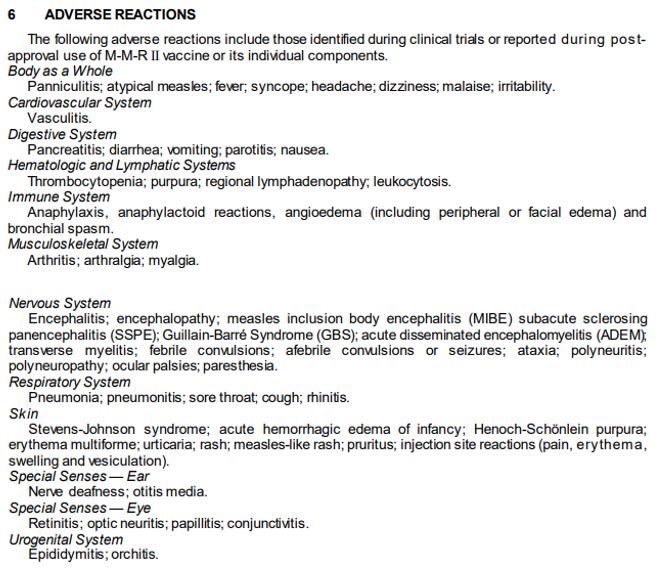
See also: http://www.ppt-health.com/monolaurin/list-of-illnesses-monolaurin-works-on/
Incidentally, there is evidence that measles vaccines can have adverse
side-effects and may even produce a worse form of
measles::
"...the
window of vulnerability of an infant may be even greater in vaccinated
women than in with women with natural measles infection." (The American Journal of Tropical
Medicine and Hygiene, 79(5), 2008, pp. 787-792)
The
history of killed and live measles vaccine administration and exposure
to natural disease is detailed in four adolescent siblings over a
16-year period. In two of these siblings, atypical measles developed 16
years after killed measles virus vaccine was administered, despite
intercurrent doses of live measles virus vaccine.
Additionally
"Administration
of KMV (killed measles vaccine) apparently set in motion an aberrant
immunologic response that not only failed to protect children against
natural measles, but resulted in heightened susceptibility." (p. 804).
The authors indicate that such children can come down with "an often
severe, atypical form of measles. Atypical measles is characterized by
fever, headache... and a diverse rash (which)... may consist of a
mixture of macules, papules, vesicles, and pustules... "
Paradoxical
immune response or paradoxical immune enhancement:
"Coronavirus
vaccine development has proven very difficult over the past 30 years,
as the vaccines create very robust antibody response, but when the
patient encounters the wild virus, they become severely ill and often
die — a reaction known as paradoxical immune response or paradoxical
immune enhancement"
.
. . So, they look closer and they realize that there are two
kinds of antibodies that were being produced by the coronavirus. There
are neutralizing antibodies, which are the kind you want, which fight
the disease, and then there are binding antibodies.
The binding
antibodies actually create a pathway for the disease in your body, and
they trigger something called … a paradoxical immune response or
paradoxical immune enhancement. What that means is that it looks good
until you get the disease, and then it makes the disease much, much
worse …
. . .
“The World Health Organization and the
British Medical Services are now saying there is no evidence that even
getting an infection from the coronavirus equips you with antibodies
that will protect you in the future.
https://www.ncbi.nlm.nih.gov/pmc/articles/PMC7126676/
(Partial synopsis: Those who had received a
seasonal flu shot were 36%
more likely to contract coronavirus infection and 51% more likely to
contract hMPV infection than unvaccinated individuals.)
"Immune
reconstitution inflammatory syndrome (IRIS)
is a condition seen in some cases ofAIDSorimmunosuppression,
in which theimmune
systembegins
to recover, but then responds to a previously acquiredopportunistic
infectionwith
an overwhelminginflammatory response
that paradoxically makes the symptoms of infection worse."
"Immune
reconstitution inflammatory syndrome (IRIS) occurs in two forms:
"unmasking" IRIS refers to the flare-up of an underlying, previously
undiagnosed infection soon after antiretroviral therapy (ART) is
started; "paradoxical" IRIS refers to the worsening of a previously
treated infection after ART is started. IRIS can be mild or
life-threatening."
"Antibody-dependent
enhancement (ADE), sometimes less precisely called immune enhancement
or disease enhancement, is a phenomenon in which binding of a virus to
non-neutralizing antibodies enhances its entry into host cells, and
sometimes also its replication.[1] This phenomenon—which leads to both
increased infectivity and virulence—has been observed with
mosquito-borne flaviviruses such as Dengue virus, Yellow fever virus
and Zika virus,[2][3] with HIV, and with coronaviruses."
(several
examples are given)
----
"Vaccine-induced
Enhancement of Viral Infections", W Huisman, B E E Martina, G F
Rimmelzwaan, R A Gruters, A D M E Osterhaus, PMID: 19022319 PMCID:
PMC7131326 DOI: 10.1016/j.vaccine.2008.10.087 https://pubmed.ncbi.nlm.nih.gov/19022319/
"Examples
of vaccine-induced enhancement of susceptibility to virus infection or
of aberrant viral pathogenesis have been documented for infections by
members of different virus families. Several mechanisms, many of which
still are poorly understood, are at the basis of this phenomenon.
Vaccine development for lentivirus infections in general, and for
HIV/AIDS in particular, has been little successful. Certain
experimental lentiviral vaccines even proved to be counterproductive:
they rendered vaccinated subjects more susceptible to infection rather
than protecting them. For vaccine-induced enhanced susceptibility to
infection with certain viruses like feline coronavirus, Dengue virus,
and feline immunodeficiency virus, it has been shown that
antibody-dependent enhancement (ADE) plays an important role. Other
mechanisms may, either in the absence of or in combination with ADE, be
involved. Consequently, vaccine-induced enhancement has been a major
stumble block in the development of certain flavi-, corona-, paramyxo-,
and lentivirus vaccines."
"Under
certain circumstances, a viral infection or vaccination may result in a
subverted immune system, which may lead to an exacerbated illness.
Clinical evidence of enhanced illness by preexisting antibodies from
vaccination, infection or maternal passive immunity is available for
several viruses and is presumptively proposed for other viruses.
Multiple mechanisms have been proposed to explain this phenomenon."
"Studies
have suggested that coronavirus vaccines carry the risk of what is
known as vaccine enhancement, where instead of protecting against
infection, the vaccine can actually make the disease worse when a
vaccinated person is infected with the virus. The mechanism that causes
that risk is not fully understood and is one of the stumbling blocks
that has prevented the successful development of a coronavirus vaccine.
. . . .
The
best-known example occurred in a U.S. trial in the 1960s of a vaccine
created by the NIH and licensed to Pfizer Inc to fight respiratory
syncytial virus (RSV), which causes pneumonia in infants. The vast
majority of babies who received the vaccine developed more severe
disease, and two toddlers died. A more recent example occurred in the
Philippines, where some 800,000 children were vaccinated with Sanofi’s
dengue vaccine, Dengvaxia. Only afterward did the company learn that it
could increase the risk of more severe disease in a small percentage of
individuals.
Research, including that conducted by Hotez, has
shown that coronaviruses in particular have the potential to produce
this kind of response. But testing for the risk of vaccine enhancement
is time-consuming because it requires scientists to breed mice that are
genetically altered to respond to the virus like humans. Work on these
and other animal models is just getting under way in several
laboratories around the world."
"Early
efforts to develop a SARS vaccine in animal trials were plagued by a
phenomenon known as "vaccine-induced enhancement," in which recipients
exhibit worse symptoms after being injected — something Fauci said
researchers must be mindful of as they work to quickly develop a
vaccine to protect against COVID-19."
"Informed
consent disclosure to vaccine trial subjects of risk of COVID-19
vaccines worsening clinical disease" Int
J Clin Pract . 2021
Mar;75(3):e13795. doi: 10.1111/ijcp.13795. Epub 2020 Dec 4.https://pubmed.ncbi.nlm.nih.gov/33113270/
"COVID-19
vaccines designed to elicit neutralising antibodies may sensitise
vaccine recipients to more severe disease than if they were not
vaccinated. . . . This risk is sufficiently obscured in clinical trial
protocols and consent forms for ongoing COVID-19 vaccine trials that
adequate patient comprehension of this risk is unlikely to occur,
obviating truly informed consent by subjects in these trials."
A Herxheimer
("die off" or "immune cascade") reaction might occur upon initial use
of monolaurin, especially in chronically unhealthy people:
"The treatment of many bacterial infections provokes a
Herxheimer reaction. Herxing was originally observed in patients with
acute infections such as syphilis who received mercury treatment (a
weak antibiotic). The immune system response to acute infection is
sometimes referred to as the immune cascade. For example, in the
infamous anthrax attacks people died because by the time they got to
hospital the anthrax organisms had multiplied to the point where
killing them also killed the patient.
. . . As the immune system tries to clear up this
cellular debris, it releases a host of inflammatory molecules which,
along with the toxins released by the bacteria as they die, cause a
rise in symptoms in the area in which the bacteria are being killed. .
. . The intensity of the reaction is thought to be dependent on many
factors; location of the inflammation, appropriateness of the
antibiotic/s, the antibiotic dosage, the presence of
immunosuppressants, the level of 25 hydroxyvitamin-D and the
prophylactic dosing schedule of Benicar used to interrupt the
inflammatory cascade." https://chronicillnessrecovery.org/index.php?option=com_content&view=article&id=161
A therapeutic dose of monolaurin is generally 1800 mg to
2400 mg per day, and is usually taken as the need arises. It
is generally free of side-effects, does not kill beneficial intestinal
bacteria, nor increase resistance of organisms to antibiotics. For some
types of infections, it must be taken long-term. I have had good
results with Ultimate
Monolaurin and Lauricidin® .
Also, monolaurin is sometimes popularly used with olive
leaf extract and oil of oregano.
"Many of the types of
viruses monolaurin helps are those that can be chronic low grade
infections that deplete energy on a regular basis and flare up when you
are stressed or down. If you have ever had a bad bug and
never really got your energy back then monolaurin may help your immune
system clean up the problem – even years later. Many find it
useful for recurring mouth sores that are herpes-based problems."
"Monolaurin alone and monolaurin with
tert-butylhydroxyanisole (BHA), methylparaben, or sorbic acid were
tested for in vitro virucidal activity against 14 human RNA and DNA
enveloped viruses in cell culture. At concentrations of 1% additive in
the reaction mixture for 1 h at 23°C, all viruses were reduced in
infectivity by >99.9%. Monolaurin with BHA was the most
effective virucidal agent in that it removed all measurable infectivity
from all of the viruses tested. The compounds acted similarly on all
the viruses and reduced infectivity by disintegrating the virus
envelope."
Note that this was an "in glass"
(test tube) study. BHA (and BHT, butylated hydroxytoluene) are commonly
used commercial antioxidants. They are typically added to food or the
packaging material. They also have industrial uses.
"Although monolaurin (Lauricidin) is a
Generally Recognized As Safe chemical, its use as part of a
preservative system is new. Comparisons of its germicidal activity by
investigators have shown it to be more effective than proprionates,
benzoates and even sorbic acid. The common antioxidants,
tert-butylhydroxytoluene (Bht) or tert-butylhydroxyanisole (Bha), have
been shown since 1967 to affect a number of different microorganisms,
including viruses. The chelator ethylenediamineacetate (Edta) has weak
biocidal activity on its own but can potentiate the effect of the first
2 biocidal agents, particularly against gram-negative bacteria. The 3
common food chemicals therefore become part of a preservative system."
"Previous
reports have shown various fatty acids and fatty acid derivatives to
display an antiviral activity. Lauric acid and monolaurin are effective
at inactivating HIV, measles, herpes simplex virus, vesicular
somatitis, visna virus, and CMV." ("An examination of the medicinal
potential of Scaevola spinescens: Toxicity, antibacterial, and
antiviral activities",
Ian E. Cock1, and Liisa Kukkonen" Pharmacognosy
Res. 2011 Apr-Jun; 3(2): 85–94.
http://www.ncbi.nlm.nih.gov/pmc/articles/PMC3129029/
)
"In
a series of papers published in
the 70s, Jon J Kabara et al (6-10) and other workers studied the
anti-microbial activity of various fatty acids. They found that the
medium chain fatty acids (MCF A) with 6 to 12 carbons, possessed
significant activity against gram positive bacteria, but not against
gram negatives; they were also active against lipid coated viruses as
well as fungi and protozoa. Saturated fatty acids, longer than 14
carbons long had no such activity. And of the MCFA, lauric acid (CI2:0)
was most potent, particularly in its monoglyceride form (monolaurin); .
. .
This
initial trial confirmed the
anecdotal reports that coconut oil does have an anti-viral effect and
can beneficially reduce the viral load of HIV patients. The positive
anti-viral action was seen not only with the monoglyceride of lauric
acid but with coconut oil itself. This indicates that coconut oil is
metabolized to monoglyceride forms of C-8, C-IO, C- 12 to which it must
owe its antipathogenic activity.
More
and longer therapies using
monolaurin will have to be designed and done before the defmitive [sic]
role of such coco products can be determined. With such products, the
outlook for more efficacious and cheaper anti HIV therapy is improved."
Biofilm Dissolving Enzymes
(future
info on biofilms Serrapetase, Lumbrokinase, Nattokinase)
Related:
Why people are cautious about vaccinations:
I
was going to follow the usual advice of recommending a yearly flu shot,
but my investigation promptly turned into a swamp full of alligators:
"Neurological
and autoimmune disorders after vaccination against pandemic influenza A
(H1N1) with a monovalent adjuvanted vaccine: population based cohort
study in Stockholm, Sweden" http://www.bmj.com/content/343/bmj.d5956
"The flu vaccine may have a strange problem that US scientists can't
fix",
"Repeated vaccinations against the flu might make the newest
shot less effective than the last . . ."
"Vaccination and Neurodevelopmental Disorders: A Study
of Nine-Year-Old Children Enrolled in Medicaid"
Anthony R. Mawson
, Binu Jacob Science, Public Health Policy,
and the Law Volume: v6.2019-2025
January 2025 Peer Reviewed, Clinical
Research, Science
An Institute for Pure
and Applied Knowledge
(IPAK)
Public Health Policy
Initiative (PHPI)
Results: The analysis of claims data for 47,155 nine-year-old children revealed that: 1) vaccination
was associated with significantly increased odds for all measured NDDs; 2) among children born
preterm and vaccinated, 39.9% were diagnosed with at least one NDD compared to 15.7% among
those born preterm and unvaccinated (OR 3.58, 95% CI: 2.80, 4.57); and 3) the relative risk of ASD
increased according to the number of visits that included vaccinations. Children with just one
vaccination visit were 1.7 times more likely to have been diagnosed with ASD than the unvaccinated
(95% CI: 1.21, 2.35) whereas those with 11 or more visits were 4.4 times more likely to have been
diagnosed with ASD than those with no visit for vaccination (95% CI: 2.85, 6.84).
Conclusions: These results suggest that the current vaccination schedule may be contributing to
multiple forms of NDD; that vaccination coupled with preterm birth was strongly associated with
increased odds of NDDs compared to preterm birth in the absence of vaccination; and increasing
numbers of visits that included vaccinations were associated with increased risks of ASD.
"Recently Steve Kirsch started looking at that question, and in an attempt to bring attention to the issue, raised three very important points:
1. Contrary to popular belief, there is actually a great deal of compelling evidence linking vaccines to autism. For example, regressive autism always develops
shortly after vaccination—but never before, something that
cannot happen unless one causes the other. Likewise, there is a
significant amount of evidence correlating vaccine uptake with autism rates. 2. There is presently no accepted explanation for what is causing the explosion of autism we are facing. 3. The explosion of autism
is one of the costliest diseases facing our country, so decades of hand
waiving that has insisted there’s no scientifically valid explanation
for this explosion doesn’t cut it."
"Stemming
from this evidence, we suggest that an inappropriate
antibody response to MMR,
specifically the measles component thereof, might be related to pathogenesis
of autism.
Copyright 2002 National Science Council, ROC and S. Karger AG, Basel "
"Autism:
Children whose mothers get bacterial or viral infections
during
pregnancy have a greater chance of developing autism. In some cases of autism, mothers' antibodies may have attacked the developing fetal
brain."
"This
study is the first to report an association between virus serology and
brain
autoantibody in autism;
it supports the hypothesis that a virus-induced
autoimmune response may play a causal role in autism."
"Hypothesis:
conjugate
vaccines may
predispose children to autism spectrum disorders",
Med
Hypotheses. 2011 Dec;77(6):940-7.
doi: 10.1016/j.mehy.2011.08.019. Epub 2011 Oct 10. http://www.ncbi.nlm.nih.gov/pubmed/21993250
"Abstract
The
first conjugate vaccine was approved for use
in the US in 1988 to protect infants and young children against the
capsular
bacteria Haemophilus influenzae type b (Hib). Since its introduction in
the US,
this vaccine has been approved in most developed countries, including
Denmark
and Israel where the vaccine was added to their national vaccine
programs in
1993 and 1994, respectively. There have been marked increases in the
reported
prevalence of autism
spectrum disorders (ASDs) among children in the US
beginning with birth
cohorts in the late 1980s and in Denmark and Israel starting
approximately 4-5
years later. Although these increases may partly reflect ascertainment
biases,
an exogenous trigger could explain a significant portion of the
reported
increases in ASDs. It is hypothesized here that the introduction of the
Hib
conjugate vaccine in the US in 1988 and its subsequent introduction in
Denmark
and Israel could explain a substantial portion of the initial increases
in ASDs
in those countries. The continuation of the trend toward increased
rates of
ASDs could be further explained by increased usage of the vaccine, a
change in
1990 in the recommended age of vaccination in the US from 15 to 2
months,
increased immunogenicity of the vaccine through changes in its carrier
protein,
and the subsequent introduction of the conjugate vaccine for
Streptococcus
pneumoniae. Although conjugate vaccines have been highly effective in
protecting infants and young children from the significant morbidity
and
mortality caused by Hib and S. pneumoniae, the potential effects of
conjugate
vaccines on neural development merit close examination. Conjugate
vaccines fundamentally
change the manner in which the immune systems of infants and young
children
function by deviating their immune responses to the targeted
carbohydrate
antigens from a state of hypo-responsiveness to a robust B2 B cell
mediated
response. This period of hypo-responsiveness to carbohydrate antigens
coincides
with the intense myelination process in infants and young children, and
conjugate vaccines may have disrupted evolutionary forces that favored
early
brain development over the need to protect infants and young children
from
capsular bacteria."
"Hepatitis
B vaccination of male neonates and autism diagnosis, NHIS1997-2002",
J
Toxicol Environ Health A. 2010;73(24):1665-77.
doi: 10.1080/15287394.2010.519317. http://www.ncbi.nlm.nih.gov/pubmed/21058170
)
"Abstract
Universal
hepatitis B vaccination was
recommended for U.S. newborns in 1991; however, safety findings are
mixed. The
association between hepatitis B vaccination of male neonates and
parental
report of autism
diagnosis
was determined. This cross-sectional study used weighted probability
samples
obtained from National Health Interview Survey 1997-2002 data sets.
Vaccination
status was determined from the vaccination record. Logistic regression
was used
to estimate the odds for autism
diagnosis associated with neonatal hepatitis B vaccination among boys
age 3-17
years, born before 1999, adjusted for race, maternal education, and
two-parent
household. Boys vaccinated as neonates had threefold greater odds for
autism
diagnosis compared to boys never vaccinated or vaccinated after the
first month
of life. Non-Hispanic white boys were 64% less likely to have autism
diagnosis relative
to nonwhite boys. Findings suggest that U.S. male neonates vaccinated
with the
hepatitis B vaccine prior to 1999 (from vaccination record) had a threefold
higher risk for
parental report of autism diagnosis compared to boys not
vaccinated as
neonates during that same time period. Nonwhite boys bore a greater
risk."
The
immunopathogenesis of autism is presented schematically in Fig. 1. Two main immune
dysfunctions in autism
are immune
regulation involving pro-inflammatory cytokines and autoimmunity. Mercury
and an infectious
agent like the measles
virus are currently two main candidate environmental
triggers for immune
dysfunction in autism. .
. . . Studies showing elevated brain
specific antibodies in autism
support an autoimmune mechanism. . . . . Viruses may initiate the
process but
the subsequent activation of cytokines is the damaging factor
associated with autism.
Virus specific
antibodies associated with measles
virus have been demonstrated in autistic
subjects. Environmental exposure to mercury
is believed to
harm human health possibly through modulation of immune homeostasis. A
mercury
link with the immune system has been postulated due to the involvement
of
postnatal exposure to thimerosal, a preservative added in the MMR
vaccines. The
occupational hazard exposure to mercury causes edema in astrocytes and,
at the
molecular level, the CD95/Fas apoptotic signaling pathway is disrupted
by Hg2+.
Inflammatory mediators in autism
usually involve activation of astrocytes and microglial cells.
Proinflammatory
chemokines (MCP-1 and TARC), and an anti-inflammatory and modulatory
cytokine,
TGF-beta1, are consistently elevated in autistic brains. In measles
virus
infection, it has been postulated that there is immune suppression by
inhibiting T-cell proliferation and maturation and downregulation MHC
class II
expression. Cytokine alteration of TNF-alpha is increased in autistic
populations.
Toll-like-receptors are also involved in autistic
development. High NO levels are
associated with autism.
Maternal antibodies may trigger autism
as a mechanism of autoimmunity. MMR
vaccination may increase risk for autism
via an autoimmune
mechanism in autism.
MMR antibodies are significantly higher in autistic
children as compared to normal children,
supporting a role of MMR
in autism. Autoantibodies (IgG isotype) to neuron-axon
filament protein
(NAFP) and glial fibrillary acidic protein (GFAP) are significantly
increased
in autistic
patients (Singh et al., 1997). Increase in Th2 may explain the
increased
autoimmunity, such as the findings of antibodies to MBP and neuronal
axonal
filaments in the brain. There is further evidence that there are other
participants in the autoimmune phenomenon. (Kozlovskaia et al., 2000).
The
possibility of its involvement in autism
cannot be ruled out. Further investigations at
immunological, cellular, molecular, and genetic levels will allow
researchers
to continue to unravel the immunopathogenic mechanisms' associated with
autistic
processes in the
developing brain. This may open up new avenues for prevention and/or
cure of
this devastating neurodevelopmental disorder."
"The
flu vaccine has been recommended routinely to pregnant women in the
United States since 1957. The official policy of the Centers for
Disease Control states that “administration of vaccines to women
seeking prenatal care is an opportunity for preventative intervention
that should not be wasted.” Now you might say, “Well, of course, you
don’t want to get the flu if you’re pregnant!” But remember that
double-stranded RNA experiment—we activated the immune system, and it
caused all these downstream effects on the fetus. And what does a
vaccination do? It activates the immune system. That’s the point
of vaccination. In practice, not all pregnant women receive flu shots,
and I think that universal vaccination of pregnant women could get us
into a whole new set of problems. I’m hoping, therefore, that a way
will be found to intervene somehow and repair the damage or reregulate
the immune system. This mouse model is an excellent place to start."
"Immune
aberrations consistent with a dysregulated immune response have been
reported in autistic children. . . . These findings
suggest that IL-6 elevation in the brain could mediate autistic-like
behaviors, possibly
through the imbalances of neural circuitry and impairments of synaptic
plasticity."
"Do
aluminum
vaccine adjuvants
contribute to the rising prevalence of autism?",
J
Inorg Biochem. 2011
Nov;105(11):1489-99. doi:
10.1016/j.jinorgbio.2011.08.008. Epub 2011 Aug 23.
http://www.ncbi.nlm.nih.gov/pubmed/22099159
"Abstract
Autism
spectrum disorders (ASD) are serious
multisystem developmental disorders and an urgent global public health
concern.
Dysfunctional immunity and impaired brain function are core deficits in
ASD.
Aluminum
(Al), the most
commonly used vaccine adjuvant, is a demonstrated neurotoxin and a
strong
immune stimulator. Hence, adjuvant Al has the potential to induce
neuroimmune
disorders. When assessing adjuvant toxicity in children, two key points
ought
to be considered: (i) children should not be viewed as "small adults"
as their unique physiology makes them much more vulnerable to toxic
insults;
and (ii) if exposure to Al from only few vaccines can lead to cognitive
impairment and autoimmunity in adults, is it unreasonable to question
whether
the current pediatric schedules, often containing 18 Al adjuvanted
vaccines,
are safe for children? By applying Hill's criteria for establishing
causality
between exposure and outcome we investigated whether exposure to Al
from
vaccines could be contributing to the rise in ASD
prevalence in the Western world. Our results
show that: (i) children from countries with the highest ASD
prevalence appear to have the highest
exposure to Al from vaccines; (ii) the increase in exposure to Al
adjuvants
significantly correlates with the increase in ASD
prevalence in the United States observed over
the last two decades (Pearson r=0.92, p<0.0001); and (iii) a
significant
correlation exists between the amounts of Al administered to preschool
children
and the current prevalence of ASD
in seven Western countries, particularly at 3-4 months of
age (Pearson r=0.89-0.94, p=0.0018-0.0248). The
application of the Hill's
criteria to these data indicates that the correlation between Al in
vaccines
and ASD may be
causal. Because children represent a fraction of the population most at
risk
for complications following exposure to Al, a more rigorous evaluation
of Al
adjuvant safety seems warranted."
Aluminum
is an experimentally demonstrated
neurotoxin and the most commonly used vaccine adjuvant. Despite almost
90 years
of widespread use of aluminum adjuvants, medical science's
understanding about
their mechanisms of action is still remarkably poor. There is also a
concerning
scarcity of data on toxicology and pharmacokinetics of these compounds.
In
spite of this, the notion that aluminum in vaccines is safe appears to
be
widely accepted. Experimental research, however, clearly shows that aluminum
adjuvants have a
potential to induce serious immunological disorders in
humans. In
particular, aluminum in adjuvant form carries a risk for autoimmunity,
long-term brain inflammation and associated neurological complications
and may
thus have profound and widespread adverse health consequences. In our
opinion,
the possibility that vaccine benefits may have been overrated and the
risk of
potential adverse effects underestimated, has not been rigorously
evaluated in
the medical and scientific community. We hope that the present paper
will provide
a framework for a much needed and long overdue assessment of this
highly
contentious medical issue."
"We
previously showed that poorly biodegradable
aluminum-coated particles injected into muscle are
promptly phagocytosed in muscle and the draining lymph nodes, and can
disseminate within phagocytic cells throughout the body and slowly
accumulate in brain.
This strongly suggests that long-term adjuvant biopersistence within
phagocytic
cells is a prerequisite for slow brain translocation and delayed
neurotoxicity.
"( https://www.youtube.com/watch?v=jsDKP9rXLkg&feature=youtu.be&t=42m44s
(consequential effects of aluminum in vaccines
Many
neurological
diseases,
including autism,
depression, dementia, anxiety disorder and Parkinson’s disease, are
associated
with abnormal sleep patterns, which are directly linked to pineal gland
dysfunction. The pineal gland is highly susceptible to environmental
toxicants.
Two pervasive substances in modern industrialized nations are aluminum
and glyphosate,
the active ingredient in the herbicide, Roundup®. In this paper, we
show how
these two toxicants work synergistically to induce neurological
damage. Glyphosate disrupts
gut bacteria, leading to an overgrowth of Clostridium difficile. Its
toxic
product, p-cresol, is linked to autism
in both human and mouse models. p-Cresol enhances uptake
of aluminum
via
transferrin. Anemia, a result of both aluminum disruption of heme and
impaired
heme synthesis by glyphosate, leads to hypoxia, which induces increased
pineal
gland transferrin synthesis. Premature birth is associated with hypoxic
stress and
with substantial increased risk to the subsequent development of autism,
linking hypoxia
to autism.
Glyphosate
chelates aluminum,
allowing ingested aluminum
to bypass the gut barrier. This leads to anemia-induced hypoxia,
promoting neurotoxicity
and
damaging the pineal gland. Both glyphosate and aluminum disrupt
cytochrome P450
enzymes, which are involved in melatonin metabolism. Furthermore,
melatonin is
derived from tryptophan, whose synthesis in plants and microbes is
blocked by
glyphosate. We also demonstrate a plausible role for vitamin
D3 dysbiosis in impaired gut
function and impaired serotonin synthesis. This paper proposes that
impaired sulfate
supply to the brain mediates the damage induced by the synergistic
action of aluminum
and glyphosate
on the pineal gland and related midbrain nuclei."
"Autoimmune/inflammatory
syndrome
induced by adjuvants (Shoenfeld’s syndrome): clinical and immunological
spectrum." Expert
Rev Clin Immunol. 2013
Apr;9(4):361-73. doi: 10.1586/eci.13.2.
http://www.ncbi.nlm.nih.gov/pubmed/23557271
"Abstract
An
adjuvant is a substance that enhances the
antigen-specific immune response, induces the release of inflammatory
cytokines, and interacts with Toll-like receptors and the NALP3
inflammasome.
The immunological consequence of these actions is to stimulate the
innate and
adaptive immune response. The activation of the immune system by
adjuvants, a
desirable effect, could trigger manifestations of autoimmunity or
autoimmune
disease. Recently, a new syndrome was introduced,
autoimmune/inflammatory
syndrome induced by adjuvants (ASIA), that includes postvaccination
phenomena,
macrophagic myofasciitis, Gulf War syndrome and siliconosis. This
syndrome is
characterized by nonspecific and specific manifestations of autoimmune
disease.
The main substances associated with ASIA are squalene (Gulf War
syndrome), aluminum
hydroxide
(postvaccination phenomena, macrophagic myofasciitis) and silicone with
siliconosis. Mineral oil, guaiacol and iodine gadital are also
associated with
ASIA."
"Aluminum
Adjuvant Linked to Gulf War Illness Induces Motor Neuron Death in
Mice", Michael S. Petrik, Margaret C. Wong, Rena C. Tabata, Robert F.
Garry, and Christopher A. Shaw https://link.springer.com/article/10.1385/NMM:9:1:83
(http://citeseerx.ist.psu.edu/viewdoc/download?doi=10.1.1.568.9309&rep=rep1&type=pdf
)
". . . Among the vaccine’s
potentially toxic components are the adjuvants aluminum
hydroxide and squalene. .
. . Aluminum-treated groups also showed significant motor neuron loss
(35%) and increased numbers of astrocytes (350%) in the lumbar spinal
cord. The findings suggest a possible role for the aluminum adjuvant in
some neurological features associated with GWI and possibly an
additional role for the combination of adjuvants."
"It
is not reasonable or scientific to use studies of ingested,
water-soluble aluminum salts (like AlCl3 or Al-lactate) to establish a
safe dose of injected aluminum adjuvant
(comprising aluminum
hydroxide/phosphate
nanoparticles). The chemical forms and route of administration are
different. It is well-established today that nanoparticles can have
higher toxicity (and different mechanisms of toxicity) compared to
soluble forms of the same material. . . .
Several studies clearly demonstrate that dosages much lower than 26
mg/kg/day are harmful, and they are presented below.
Autism
spectrum disorder is a neurodevelopmental
disorder of unknown aetiology. It is suggested to involve both genetic
susceptibility and environmental factors including in the latter
environmental
toxins. Human exposure to the environmental toxin aluminium has been
linked, if
tentatively, to autism
spectrum disorder. Herein we have used transversely heated
graphite
furnace atomic absorption spectrometry to measure, for the first time,
the
aluminium content of brain tissue from donors with a diagnosis of autism.
We have also used
an aluminium selective fluor to identify aluminium in brain tissue
using
fluorescence microscopy. The
aluminium content of brain tissue in autism was consistently high.
The
mean (standard deviation) aluminium content across all 5 individuals
for each
lobe were 3.82(5.42), 2.30(2.00), 2.79(4.05) and 3.82(5.17) μg/g dry
wt. for
the occipital, frontal, temporal and parietal lobes respectively. These
are
some of the highest values for aluminium in human brain tissue yet
recorded and
one has to question why, for example, the aluminium content of the
occipital
lobe of a 15 year old boy would be 8.74 (11.59) μg/g dry wt.?
Aluminium-selective fluorescence microscopy was used to identify
aluminium in
brain tissue in 10 donors. While aluminium was imaged associated with
neurones
it appeared to be present intracellularly in microglia-like cells and
other
inflammatory non-neuronal cells in the meninges, vasculature, grey and
white
matter. The pre-eminence of intracellular aluminium
associated with nonneuronal cells was a
standout observation in autism brain tissue and may offer
clues as to
both the origin of the brain
aluminium as well as a putative role in autism spectrum disorder.
Abstract "Vaccine
adjuvants
and vaccines may induce autoimmune and inflammatory manifestations in
susceptible individuals. To date
most human vaccine trials utilize aluminum (Al)
adjuvants
as placebos despite much evidence showing that Al in vaccine-relevant
exposures
can be toxic to humans and animals...It appears that Gardasil via its
Al
adjuvant and HPV antigens has the ability
to trigger neuroinflammation and autoimmune reactions,
further leading to behavioral changes...In light of these findings,
this study
highlights the necessity of proceeding with caution with respect to
further
mass-immunization practices with a vaccine
of yet unproven long-term clinical benefit in cervical cancer
prevention"
(Rotem Inbar, Ronen Weiss, Lucija Tomljenovic,
Maria-Teresa Arango, Yael Deri, Christopher A Shaw, Joab Chapman, Miri
Blank,
Yehuda Shoenfeld. Immunol Res, July 2016.)
"Aluminum
in the central nervous system (CNS): toxicity in humans and animals,
vaccine adjuvants, and autoimmunity" Chris Shaw, L. Tomljenovic.
Immunologic Research, (July 2013) 56:304-316 DOI
10.1007/s12026-013-8403-1
https://link.springer.com/journal/12026
"In
young
children, a highly
significant correlation exists between the number of pediatric aluminum-adjuvanted
vaccines
administered and the rate of autism
spectrum disorders. Many of the features of aluminum-induced
neurotoxicity may
arise, in part, from autoimmune reactions, as part of the ASIA syndrome
[Autoimmune Syndrome Induced by Adjuvants]. Aluminum
is added to vaccines to help the vaccine
work more effectively, but unlike dietary aluminum which will usually
clear
rapidly from the body, aluminum
used in vaccines and injected is designed to provide a long-lasting
cellular
exposure. Thus, the problem with vaccine-derived aluminum
is really
twofold: It drives the immune response even in the absence of a viral
or
bacterial threat and it can make its way into the central nervous
system. It is
not really a matter of much debate that aluminum
in various forms can be neurotoxic."
(Chris Shaw, L. Tomljenovic. Immunologic Research, (2013) 56:304-316
DOI
10.1007/s12026-013-8403-1.)
"Neurodevelopmental
disorders following thimerosal-containing childhood
immunizations: a
follow-up analysis." Int J Toxicol. 2004
Nov-Dec;23(6):369-76. http://www.ncbi.nlm.nih.gov/pubmed/15764492
"It
was determined that there were significantly
increased odds ratios (ORs) for autism
(OR = 1.8, p < .05), mental
retardation (OR = 2.6, p < .002), speech disorder (OR = 2.1, p
< .02),
personality disorders (OR = 2.6, p < .01), and thinking
abnormality (OR =
8.2, p < .01) adverse events reported to the VAERS [Vaccine
Adverse Event Reporting
System ] following thimerosal-containing
DTaP
vaccines in comparison to thimerosal-free
DTaP vaccines. Potential confounders
and reporting biases were found to be minimal in this assessment of the
VAERS.
It was observed, even though the media has reported a potential
association
between autism
and thimerosal
exposure, that the other NDs [neurodevelopmental
disorders] analyzed in this assessment of the VAERS had significantly
higher
ORs than autism
following thimerosal-containing
DTaP vaccines in comparison to thimerosal-free
DTaP vaccines. The present study provides additional
epidemiological evidence supporting previous epidemiological, clinical
and
experimental evidence that administration of thimerosal-containing
vaccines in
the United States resulted in a significant number of children
developing
NDs."
"Administration
of thimerosal
to infant rats increases
overflow of glutamate and aspartate in the prefrontal cortex:
protective
role of dehydroepiandrosterone sulfate." http://www.ncbi.nlm.nih.gov/pubmed/22015977
".
. .our data imply that neonatal exposure to thimerosal-containing vaccines
might induce excitotoxic brain injuries, leading to neurodevelopmental
disorders. DHEAS may partially protect against
mercurials-induced
neurotoxicity."
"A
positive association found
between thimerosal
prevalence and childhood vaccination uptake across the U.S.
population." J Toxicol Environ Health
A. 2011;74(14):903-16.
doi: 10.1080/15287394.2011.573736. http://www.ncbi.nlm.nih.gov/pubmed/21623535
"Abstract
The
reason for the rapid rise of autism in the United States that began in
the 1990s is a mystery. Although individuals probably have a genetic
predisposition to develop autism,
researchers suspect that one or more
environmental triggers are also needed. One of those triggers might be
the battery of vaccinations that young children receive. Using
regression analysis and controlling for family income and ethnicity,
the relationship between the proportion of children who received the
recommended vaccines by age 2 years and the prevalence of autism
(AUT)
or speech or language impairment (SLI) in each U.S. state from 2001 and
2007 was determined. A positive and statistically significant
relationship was found: The higher the proportion of children receiving
recommended vaccinations, the higher was the prevalence of AUT or SLI.
A 1% increase in vaccination was associated with an additional 680
children having AUT or SLI. Neither parental behavior nor access to
care affected the results, since vaccination proportions were not
significantly related (statistically) to any other disability or to the
number of pediatricians in a U.S. state. The results suggest that
although mercury has been removed from many vaccines, other culprits
may link vaccines to autism.
Further study into the relationship
between vaccines and autism
is warranted."
The
role of thimerosal
containing vaccines in the development of autism
spectrum disorder (ASD) has been an area of
intense debate, as has the presence of mercury
dental amalgams and fish ingestion by
pregnant mothers. We studied the effects of thimerosal
on cell proliferation and mitochondrial
function from B-lymphocytes taken from individuals with autism,
their nonautistic twins, and their
nontwin siblings. Eleven families were examined and compared to matched
controls. B-cells were grown with increasing levels of thimerosal,
and various assays (LDH, XTT,
DCFH, etc.) were performed to examine the effects on cellular
proliferation and
mitochondrial function. A subpopulation of eight individuals (4 ASD, 2
twins,
and 2 siblings) from four of the families showed thimerosal
hypersensitivity, whereas none of the
control individuals displayed this response. The thimerosal
concentration required to inhibit cell
proliferation in these individuals was only 40% of controls. Cells
hypersensitive
to thimerosal
also
had higher levels of oxidative stress markers, protein carbonyls, and
oxidant
generation. This suggests certain individuals with a mild mitochondrial
defect
may be highly susceptible to mitochondrial specific toxins like the
vaccine
preservative thimerosal.
The question of what is leading to the apparent increase
in autism is of great importance. Like
the link between aspirin and heart attack, even a small effect can have
major
health implications. If there is any link between autism
and mercury, it is absolutely crucial that
the first reports of the question are not falsely stating that no link
occurs.
We have reanalyzed the data set originally reported by Ip et al. in
2004 and
have found that the original p value was in error and that a
significant relation does
exist between the blood levels of mercury
and diagnosis of an autism
spectrum disorder.
Moreover, the hair sample analysis results offer some support for the
idea that
persons with autism
may be less efficient and more variable at eliminating mercury
from the blood.
"Thimerosal
neurotoxicity
is associated with glutathione depletion: protection with glutathione
precursors." Neurotoxicology.
2005 Jan; 26(1):1-8 http://www.ncbi.nlm.nih.gov/pubmed/15527868
Abstract
Thimerosol
is an
antiseptic containing 49.5% ethyl mercury
that has been used for years as a preservative in many
infant vaccines and in flu vaccines.
Environmental methyl
mercury has been shown to be highly
neurotoxic, especially to the developing brain. Because
mercury has a high affinity for thiol (sulfhydryl (-SH)) groups, the
thiol-containing antioxidant, glutathione (GSH), provides the major
intracellular defense against mercury-induced neurotoxicity. Cultured
neuroblastoma cells were found to have lower levels of GSH and
increased
sensitivity to thimerosol
toxicity compared to glioblastoma cells that have higher basal levels
of
intracellular GSH. Thimerosal-induced cytotoxicity was associated with
depletion of intracellular GSH in both cell lines. Pretreatment with
100 microM
glutathione ethyl ester or N-acetylcysteine (NAC), but not methionine,
resulted
in a significant increase in intracellular GSH in both cell types.
Further,
pretreatment of the cells with glutathione ethyl ester or NAC
prevented cytotoxicity
with exposure to 15 microM Thimerosal.
Although Thimerosal
has been recently removed from most children's vaccines, it is still
present in
flu vaccines given to pregnant women, the elderly, and to children in
developing countries. The potential protective effect of GSH or NAC
against mercury toxicity
warrants further research as possible adjunct therapy to
individuals
still receiving Thimerosal-containing
vaccinations.
"Environmental mercury
release,
special education rates, and autism
disorder: an ecological study of Texas", Health
Place. 2006 Jun;12(2):203-9http://www.ncbi.nlm.nih.gov/pubmed/16338635
"Abstract
The
association between environmentally released mercury,
special education and autism
rates in Texas was
investigated using data from the Texas Education Department and the
United
States Environmental Protection Agency. A Poisson regression analysis
adjusted
for school district population size, economic and demographic factors
was used.
There was a significant increase in the rates of special education
students and
autism
rates
associated with increases in environmentally released mercury.
On average, for each 1,000 lb of
environmentally released mercury,
there was a 43% increase in the rate of special education services and
a 61%
increase in the rate of autism.
The association between environmentally released mercury
and special education rates were fully
mediated by increased autism
rates. This ecological study suggests the need for further research
regarding
the association between environmentally released mercury
and developmental disorders such as autism.
These results
have implications for policy planning and cost analysis.
"A case series of children with apparent mercury toxic
encephalopathies manifesting with clinical symptoms of regressive
autistic disorders", J
Toxicol Environ Health A. 2007 May 15;70(10):837-51.
http://www.ncbi.nlm.nih.gov/pubmed/17454560
“Abstract
Impairments
in social relatedness and communication, repetitive behaviors, and
stereotypic
abnormal movement patterns characterize autism
spectrum disorders (ASDs).
It is clear that while genetic
factors are important to the pathogenesis of ASDs,
mercury
exposure can induce immune, sensory, neurological, motor,
and behavioral dysfunctions similar to traits defining or associated
with ASDs.
The Institutional Review Board of the Institute for Chronic Illnesses
(Office
for Human Research Protections, U.S. Department of Health and Human
Services,
IRB number IRB00005375) approved the present study. A case series of
nine
patients who presented to the Genetic Centers of America for a
genetic/developmental evaluation are discussed. Eight of nine patients
(one
patient was found to have an ASD
due to Rett's syndrome) (a) had regressive ASDs; (b) had elevated
levels of
androgens; (c) excreted significant amounts of mercury
post chelation challenge; (d) had
biochemical evidence of decreased function in their glutathione
pathways; (e)
had no known significant mercury exposure except from
Thimerosal-containing
vaccines/Rho(D)-immune globulin preparations; and (f) had alternate
causes for
their regressive ASDs
ruled out. There was a significant dose-response relationship between
the
severity of the regressive ASDs observed and the total mercury
dose children received from Thimerosal-containing
vaccines/Rho (D)-immune globulin preparations. Based upon differential
diagnoses, 8 of 9 patients examined were exposed to significant mercury
from Thimerosal-containing
biologic/vaccine preparations during their fetal/infant developmental
periods,
and subsequently, between 12 and 24 mo of age, these
previously normally developing children suffered
mercury toxic encephalopathies that manifested with
clinical symptoms
consistent with regressive ASDs.
Evidence for mercury
intoxication should be considered in the differential diagnosis as
contributing
to some regressive ASDs.
"Thimerosal exposure in infants and neurodevelopmental disorders: an
assessment of computerized medical records in the Vaccine Safety
Datalink", J
Neurol Sci. 2008
Aug 15;271(1-2):110-8. doi: 10.1016/j.jns.2008.04.002. Epub 2008 May 15.http://www.ncbi.nlm.nih.gov/pubmed/18482737
Abstract
The
study
evaluated possible associations between neurodevelopmental disorders
(NDs) and
exposure to mercury
(Hg) from Thimerosal-containing
vaccines (TCVs) by examining the automated Vaccine Safety Datalink
(VSD). A
total of 278,624 subjects were identified in birth cohorts from
1990-1996 that
had received their first oral polio vaccination by 3 months of age in
the VSD.
The birth cohort prevalence rate of medically diagnosed International
Classification of Disease, 9th revision (ICD-9) specific NDs and
control outcomes
were calculated. Exposures to Hg
from TCVs were calculated by birth cohort for specific
exposure windows from birth-7 months and birth-13 months of age.
Poisson
regression analysis was used to model the association between the
prevalence of
outcomes and Hg
doses from TCVs. Consistent
significantly increased rate ratios were observed for autism, autism
spectrum
disorders, tics, attention deficit disorder, and emotional
disturbances
with Hg
exposure
from TCVs. By contrast, none of the control outcomes had significantly
increased rate ratios with Hg
exposure from TCVs. Routine childhood vaccination should be continued
to help
reduce the morbidity and mortality associated with infectious diseases,
but
efforts should be undertaken to remove
Hg from vaccines. Additional studies should be conducted
to further evaluate the relationship between Hg
exposure and NDs.
"Barrier Mechanisms in the Developing Brain" Norman R.
Saunders, Shane A. Liddelow, and Katarzyna M. Dziegielewska https://www.ncbi.nlm.nih.gov/pmc/articles/PMC3314990/Frontiers
of Pharmacol. 2012; 3: 46. Published
online 2012 Mar 29. doi: 10.3389/fphar.2012.00046 PMCID:
PMC3314990 PMID: 22479246
Abstract
"These
interfaces are referred to as “the” blood–brain barrier. It is widely
believed that in embryos and newborns, this barrier is immature or
“leaky,” rendering the developing brain more vulnerable to drugs or
toxins entering the fetal circulation from the mother. . . .Together
these properties may render developing brains more vulnerable to drugs,
toxins, and pathological conditions, contributing to cerebral damage
and later neurological disorders. In addition, after birth loss of
protection by efflux transporters in placenta may also render the neonatal
brain more vulnerable than in the fetus."
"Aluminum
in Childhood Vaccines Is Unsafe" Neil Z. Miller, Journal of
American Physicians and Surgeons, Volume 21 Number
4 Winter
2016 109
www.jpands.org/vol21no4/miller.pdf
"Infants
and young children
throughout the world receive high quantities of
aluminum
from multiple
inoculations. Incremental changes to the vaccination schedule during
the past
several years significantly increased the quantity of aluminum
in childhood shots. Numerous
studies provide compelling evidence that injected aluminum
can be detrimental to health. Aluminum
is capable of
remaining in cells long after vaccination and may cause neurologic and
autoimmune disorders. During
early development, the child's brain is more susceptible to toxins and
the
kidneys are less able to eliminate them. Thus, children
have a greater
risk than adults of adverse reactions to aluminum in vaccines. Millions
of
children every year are injected with vaccines containing mercury
and aluminum
despite well-established experimental evidence of the potential for
additive or
synergistic toxicity when an organism is exposed to two or more toxic
metals."
“to
determine the safety of injected
aluminum, scientists must conduct experiments with injected — not ingested — aluminum.”
(p. 114)
"Aluminum
in the central nervous system (CNS): toxicity in humans and animals,
vaccine adjuvants, and autoimmunity" Chris Shaw, L. Tomljenovic.
Immunologic Research, (July 2013) 56:304-316 DOI
10.1007/s12026-013-8403-1 https://link.springer.com/journal/12026
"In
young
children, a highly
significant correlation exists between the number of pediatric aluminum-adjuvanted
vaccines
administered and the rate of autism
spectrum disorders. Many of the features of aluminum-induced
neurotoxicity may
arise, in part, from autoimmune reactions, as part of the ASIA syndrome
[Autoimmune Syndrome Induced by Adjuvants]. Aluminum
is added to vaccines to help the vaccine
work more effectively, but unlike dietary aluminum which will usually
clear
rapidly from the body, aluminum
used in vaccines and injected is designed to provide a long-lasting
cellular
exposure. Thus, the problem with vaccine-derived aluminum
is really
twofold: It drives the immune response even in the absence of a viral
or
bacterial threat and it can make its way into the central nervous
system. It is
not really a matter of much debate that aluminum
in various forms can be neurotoxic."
(Chris Shaw, L. Tomljenovic. Immunologic Research, (2013) 56:304-316
DOI
10.1007/s12026-013-8403-1.)
"Induction
of
metallothionein in mouse cerebellum and cerebrum with low-dose thimerosal
injection"Cell
Biol Toxicol.
2010 Apr;26(2):143-52. doi: 10.1007/s10565-009-9124-z. Epub 2009 Apr 9.http://www.ncbi.nlm.nih.gov/pubmed/19357975
“Abstract
Thimerosal,
an
ethyl mercury
compound, is used worldwide as a vaccine preservative. We previously
observed
that the mercury
concentration in mouse brains did not increase with the clinical dose
of thimerosal
injection, but
the concentration increased in the brain after the injection of thimerosal
with
lipopolysaccharide, even if a low dose of thimerosal
was administered. Thimerosal
may penetrate
the brain, but is undetectable when a clinical dose of thimerosal
is injected; therefore, the
induction of metallothionein (MT) messenger RNA (mRNA) and protein was
observed
in the cerebellum and cerebrum of mice after thimerosal
injection, as MT is an inducible
protein. MT-1 mRNA was expressed at 6 and 9 h in both the cerebrum and
cerebellum, but MT-1 mRNA expression in the cerebellum was three times
higher
than that in the cerebrum after the injection of 12 microg/kg thimerosal.
MT-2 mRNA was
not expressed until 24 h in both organs. MT-3 mRNA was expressed in the
cerebellum from 6 to 15 h after the injection, but not in the cerebrum
until 24
h. MT-1 and MT-3 mRNAs were expressed in the cerebellum in a
dose-dependent
manner. Furthermore, MT-1 protein was detected from 6 to 72 h in the
cerebellum
after 12 microg/kg of thimerosal
was injected and peaked at 10 h. MT-2 was detected in the cerebellum
only at 10
h. In the cerebrum, little MT-1 protein was detected at 10 and 24 h,
and there
were no peaks of MT-2 protein in the cerebrum. In conclusion, MT-1 and
MT-3
mRNAs but not MT-2 mRNA are easily expressed in the cerebellum rather
than in
the cerebrum by the injection of low-dose thimerosal.
It is thought that the cerebellum is a
sensitive organ against thimerosal.
As a result of the present findings, in combination with the brain
pathology
observed in patients diagnosed with autism,
the present study helps to support the possible
biological plausibility for how low-dose exposure to mercury from thimerosal-containing
vaccines may be associated with autism.
Depressed
immunity, autoimmunity,
and inflammatory activation are common features in autism.
Impaired resistance to infection
may predispose to chronic measles
infection of the autistic gut by MMR
vaccine. Thimerosal-containing
vaccine during infancy may depress immunity and lower the threshold for
chronic
vaccinial
measles
infection. Thimerosal
and MMR
may induce
autoimmunity to elements of the CNS individually or additively and thus
contribute to the pathophysiology of autism.
. . .Published science and clinical experience are
converging rapidly to form a more accurate image of autism.
We are learning that autism
implies a physically ill
child with associated immune, gut, and nutritional
problems. Besides
helping target biological interventions for autism,
understanding the underlying physical
problems enhances our grasp of the possible role of vaccines.
"Repeated
immunization
with antigen causes systemic autoimmunity in mice otherwise not prone
to
spontaneous autoimmune diseases. . . . Systemic autoimmunity appears to
be the
inevitable consequence of over-stimulating the host's immune ‘system’
by
repeated immunization with antigen, to the levels that surpass system's
self-organized criticality."
"Adverse
events reported during
post-approval use of Tripedia
vaccine include idiopathic thrombocytopenic purpura,
SIDS,anaphylactic
reaction, cellulitis, autism,
convulsion/grand mal convulsion, encephalopathy, hypotonia, neuropathy,
somnolence
and apnea. Events were included in this list because of the seriousness
or
frequency of reporting."
"Estimated Prevalence of Autism
and Other Developmental Disabilities Following
Questionnaire Changes in the 2014 National Health Interview Survey",
Benjamin Zablotsky et al. (2015) http://www.cdc.gov/nchs/data/nhsr/nhsr087.pdf
"The
estimated prevalence of ASD [Autism
Spectrum Disorder]
based on 2014 data was 2.24%, a significant
increase from the estimated annualized prevalence of
1.25% based on2011–2013 data. In contrast, the prevalence of other DD
[Developmental Disorder] declined significantly from 4.84% based on
2011–2013
data to 3.57% based on 2014 data."
A
special federal vaccine
court has paid out billions for injuries from brain damage to death.
But not
for the form of brain injury we call autism.
Now—we have remarkable new information: a respected
pro-vaccine medical expert used by the federal government to debunk the
vaccine-autism link, says vaccines
can cause autism after all. He claims he told that to
government
officials long ago, but they kept it secret. (BF:
This has consequences. See Romans
1:18-32, 2Thessalonians
2:9-12,
Amos 8:11-12 )
"Thimerosal
Exposure and the
Role of Sulfation Chemistry and Thiol Availability in Autism",
Int.
J. Environ. Res. Public Health
2013, 10(8),
3771-3800; doi:10.3390/ijerph10083771, Janet K. Kern,
Boyd E. Haley,
David A. Geier,
Lisa K. Sykes,
Paul G. Kingand
Mark R. Geierhttp://www.mdpi.com/1660-4601/10/8/3771
Abstract
Autism
spectrum disorder (ASD) is a neurological disorder in which a
significant number of the children experience a developmental
regression
characterized by a loss
of
previously acquired skills and abilities. Typically
reported are losses
of verbal, nonverbal, and social abilities. Several recent studies
suggest that
children diagnosed with an ASD have abnormal sulfation chemistry,
limited thiol
availability, and decreased glutathione (GSH) reserve capacity,
resulting in a
compromised oxidation/reduction (redox) and detoxification capacity.
Research
indicates that the availability
of thiols, particularly GSH, can influence
the effects of thimerosal (TM) and other
mercury (Hg)
compounds. TM is an organomercurial compound (49.55% Hg by weight) that
has
been, and continues to be, used as a preservative in many childhoodvaccines,
particularly in
developing countries. Thiol-modulating mechanisms affecting the
cytotoxicity of
TM have been identified. Importantly, the emergence of ASD
symptoms post-6 months of age
temporally follows the administration of many childhood
vaccines. The purpose of the present
critical review is provide mechanistic insight regarding how limited
thiol
availability, abnormal sulfation chemistry, and decreased GSH reserve
capacity
in children with an ASD could make them more susceptible to the toxic
effects
of TM routinely administered as part of mandated
childhood immunization schedules.
"A
two-phase study evaluating the
relationship between Thimerosal-containing
vaccine administration and the risk for an autism
spectrum disorder diagnosis in the United
States", Transl Neurodegener.
2013 Dec
19;2(1):25. doi: 10.1186/2047-9158-2-25, Geier
DA, Hooker BS, Kern JK, King
PG, Sykes LK, Geier MR, https://www.ncbi.nlm.nih.gov/pubmed/24354891
Abstract
BACKGROUND:
Autism
spectrum disorder (ASD) is defined by standardized criteria of
qualitative
impairments in social interaction, qualitative impairments in
communication,
and restricted and stereotyped patterns of behavior, interests, and
activities. A
significant number of children diagnosed with
ASD suffer a loss of previously-acquired skills, which is suggestive of
neurodegeneration
or a type
of progressive encephalopathy with an etiological pathogenic basis
occurring
after birth. To date, the etiology of ASD remains under debate,
however, many
studies suggest toxicity,
especially from mercury (Hg), in individuals diagnosed with an ASD.
The
present study evaluated concerns about the toxic effects of organic-Hg
exposure from Thimerosal
(49.55% Hg by
weight) in childhood vaccines by conducting a two-phased (hypothesis
generating/hypothesis testing) study with documented exposure to
varying levels
of Thimerosal
from
vaccinations.
METHODS:
A hypothesis
generating cohort study was undertaken to evaluate the relationship
between
exposure to organic-Hg from a Thimerosal-containing
Diphtheria-Tetanus-acellular-Pertussis (DTaP) vaccine in comparison to
a
Thimerosal-free DTaP vaccine administered, from 1998 through 2000, for
the risk
of ASD as reported in the Vaccine Adverse Event Reporting System
(VAERS)
database (phase I). A hypothesis testing case-control study was
undertaken to
evaluate the relationship between organic-Hg exposure from
Thimerosal-containing hepatitis B vaccines administered at specific
intervals
in the first six months of life among cases diagnosed with an ASD and
controls
born between 1991 through 1999 in the Vaccine Safety Datalink (VSD)
database
(phase II).
RESULTS:
In phase I,
it was observed that there was a significantly
increased risk ratio for
the incidence of ASD reported following the
Thimerosal-containing DTaP vaccine
in comparison to the
Thimerosal-free DTaP vaccine. In phase II, it was observed that cases
diagnosed
with an ASD were significantly more likely than controls to receive
increased
organic-Hg from Thimerosal-containing hepatitis B vaccine administered
within
the first, second, and sixth month of life.
CONCLUSIONS:
Routine
childhood vaccination is an important public health tool to reduce the
morbidity and mortality associated with infectious diseases, but the present
study provides new
epidemiological evidence supporting an association between increasing
organic-Hg exposure from Thimerosal-containing childhood vaccines and
the
subsequent risk of an ASD diagnosis.
"Relative
Incidence of Office Visits and Cumulative Rates of Billed Diagnoses
Along the Axis of Vaccination", James Lyons-Weiler, OrcID and Paul
Thomas (November 2020) https://www.mdpi.com/1660-4601/17/22/8674/htm
The
implications of these results for the net public health effects of
whole population vaccination and with respect for informed consent on
human health are compelling. Our results give agency to calls for
research conducted by individuals who are independent of any funding
sources related to the vaccine industry. While the low rates of
developmental disorders prevented sufficiently powered hypothesis
testing, it is notable that the overall rate of autism spectrum
disorder (0.361%) in the cohort is one-fifth that of the
US national
rate (1.851%). The practice-wide rate of ADHD was roughly half of the
national rate. The data indicate that unvaccinated children in the
practice are not unhealthier than the vaccinated and indeed the overall
results may indicate that the unvaccinated pediatric patients in this
practice are healthier overall than the vaccinated.
A
few independent (non-CDC) studies do exist that have compared outcomes
between vaccinated and unvaccinated children. A small survey study of
415 families with homeschooled children by Mawson et al., 2017 [9]
that compared vaccinated with completely unvaccinated children reported
increased risk of many diagnoses among the vaccinated children
including (condition, fold-increase): allergic rhinitis (30.1),
learning disabilities (5.2), attention deficit hyperactivity disorder
(ADHD) (4.2), autism
(4.2), neurodevelopmental
disorders (3.7), eczema (2.9), and chronic
illness (2.4). The increased risk of neurodevelopmental
disorders
appeared to be higher in cases of preterm births. A study from Germany
(Schmitz et al., 2011) [10]
reported no increases in adverse outcomes other than atopy. . .
. Studies
funded by the pharmaceutical industry or conducted by the CDC typically
tend to find no harm associated with vaccination, while studies
conducted without pharmaceutical industry funding have often found
harm. . . .
We
have found higher rates of office visits and diagnoses of common
chronic ailments in the most vaccinated children in the practice
compared to children who are completely unvaccinated. The data clearly
show different odds of developing many of these adverse health
conditions.
Conclusions
We
could detect no widespread negative health effects in the unvaccinated
other than the rare but significant vaccine-targeted diagnosis.We can
conclude that the unvaccinated children in this practice are not,
overall, less healthy than the vaccinated and that indeed the
vaccinated children appear to be significantly less healthy than the
unvaccinated.
Our
society should work to identify safer vaccine schedules and safer
adjuvants [27,28,29,30,31,32,33,34,35]
and to reduce autoimmunity risk by removing unsafe epitopes—peptide
sequences from pathogens or human cell line remnants in vaccines that
match human proteins in sequence or structure from any tissue [36]—would
seem expeditious, kind, and wise.
Parents
who question
vaccine safety and efficacy have been marginalized by physicians who
continue to
make sweeping generalizations pretending that there is no issue
regarding
vaccine safety. Statements belittling parents such as “…unable
to understand and incorporate concepts of risk and probability
into science-grounded decision making…”[3] or that most
parents rely on “… scientifically unfounded
fears about
childhood vaccines causing autism [that] have proliferated over the
past
decade…” [4] are commonplace and attempt to portray groups or
individual
parents who question vaccination safety as ignorant. But are their
fears “scientifically unfounded”;or
has
there been an organized attempt to silence and delegitimize vaccine
opposition?
[5] Vaccine advocates will point to the extensive published data that
confirms
the safety of vaccines, their so called “real-science”
versus the “junk-science” used by
those who
question vaccine safety. Advocates
will claim that
so extensive isthis
data that the only
people who could look at this information and think that a vaccine
safety issue
exists are kooks, nuts and conspiracy theorists [6].The facts contradict this.
“It is dangerous to be
right in matters on which the established
authorities are wrong.”
It
can be defined as a group systematically attacking a person's
reputation for a
long period of time, using negative communication as a weapon. The
intention is
to destroy the target's value as a reliable individual, initially
causing them
to lose power and prestige, with the long-term goal of achieving their
dismissal,
resignation or general ostracism. . . . We use a case study involving
two
groups with contrary perspectives on vaccination, in which one group
has
attempted to prevent debate on the issue, instead mobbing those with
contrary
views, systematically attacking their reputation over a long period of
time. .
. .
Mass
media sometimes gang up against targets by publishing false and/or
damaging
claims, using sensationalism and lacking balance, a phenomenon that has
been
called "media mobbing" . . .
Media
mobbing is mainly instigated by those with vested interests, such as
political
opponents or police officials, and may involve other modes of attack,
such as
formal inquiries.
To
illustrate the phenomenon of public mobbing, we present as a case study
an
attack on members of an Australian group critical of vaccination. . . .
"The
brutal attack on scientific dissent", by American Institute for
Economic Research March 9, 2021 in Education, Healthcare,
Opinions, Science
https://noqreport.com/2021/03/09/the-brutal-attack-on-scientific-dissent/
"The
attacks speak to a cognitive dissonance of sorts whereby only the
current policies and views of the enabling decision-makers are to be
considered. Only what they think is correct. No dissent, no debate.
However, it is becoming understood now that many academics and research
scientists do disagree and some disagree extensively with the
government lockdown policies yet are very afraid to speak out given
they know they will be derided, attacked, slandered, and smeared. . . ."
"Altered urinary
porphyrins and mercury
exposure as biomarkers for autism
severity in Egyptian children with autism spectrum
disorder", Khaled,
E.M., Meguid, N.A., Bjørklund, G. et al.Metabolic Brain Disease (2016).
doi:10.1007/s11011-016-9870-6 13 July
2016
Abstract
Autism
spectrum disorder (ASD) is a complex
neurodevelopmental disorder that affects social,
communication, and behavioral development. Recent evidence supported
but also
questioned the hypothetical
role of compounds containing mercury (Hg) as contributors
to the
development of ASD.
Results showed that children
with ASD had significantly higher levels of Hg, Pb, and
the porphyrins
pentacarboxyporphyrin, coproporphyrin, precoproporphyrin,
uroporphyrins, and
hexacarboxyporphyrin compared to healthy controls and healthy siblings
of the
ASD children. . . . Mothers of ASD
children showed a higher
percentage of dental amalgam restorations compared to the
mothers of healthy controls suggesting that high Hg
levels in children with ASD
may relate to the increased exposure to
Hg from maternal
dental
amalgam during pregnancy and lactation. The results showed
that the ASD
children in the
present study had increased blood Hg
and Pb levels compared with healthy control children
indicating that disordered
porphyrin metabolism might interfere with the pathology
associated with
the autistic neurologic phenotype.
"Temporal
Association of Certain Neuropsychiatric Disorders Following Vaccination
of Children and Adolescents: A Pilot Case–Control Study", Front. Psychiatry,
19 January 2017 , Douglas L. Leslie1, Robert A. Kobre, Brian
J.
Richmand, Selin Aktan Guloksuz, and James F.
Leckman https://doi.org/10.3389/fpsyt.2017.00003
; http://journal.frontiersin.org/article/10.3389/fpsyt.2017.00003/full
"Fever
in pregnancy tied to higher risk of autism", Catharine Paddock
PhD (June 2017)
http://www.medicalnewstoday.com/articles/317896.php
In
the journal Molecular
Psychiatry, the researchers say that their
findings support the idea that infection in pregnancy - and the way in
which the immune system responds to it - may play a role in the
development of some cases of autism.
(My
thoughts on this: the purpose of a vaccination is to provoke an immune
response. It may be the response, not the vaccination itself,
that leads to the development of some cases of autism. See Iodine-Autism.)
"Scientists
appear to be far closer to explaining the mechanisms of action within
the body that cause autism.
Most of the research that has created this
understanding has been published in the last 36 months, and largely
from international scientists in Canada, France, Israel, and China.
Four clear, replicable, and related discoveries explaining how autism
is triggered are forming an undeniably clear picture of autism's
causation, and possibly ways to alleviate the symptoms, too."
The
genetic predispositions which describe a
diagnosis of familial Alzheimer’s disease can be considered as
cornerstones of
the amyloid cascade hypothesis. Essentially they place the expression
and
metabolism of the amyloid precursor protein as the main tenet of
disease
aetiology. However, we do not know the cause of Alzheimer’s disease and
environmental factors may yet be shown to contribute towards its onset
and
progression. One
such
environmental factor is human exposure to aluminium and aluminium has
been
shown to be present in brain tissue in sporadic Alzheimer’s disease.
We
have made the first ever measurements of aluminium in brain tissue from
12
donors diagnosed with familial Alzheimer’s disease. The
concentrations of aluminium were extremely
high, for example, there were values in excess of
10 μg/g tissue
dry wt. in 5 of the 12 individuals. Overall, the concentrations were
higher
than all previous measurements of brain aluminium except cases of known
aluminium-induced encephalopathy. We have supported our quantitative
analyses
using a novel method of aluminium-selective fluorescence microscopy to
visualise aluminium in all lobes of every brain investigated. The
unique quantitative data and
the stunning images of aluminium in familial Alzheimer’s disease brain
tissue
raise the spectre of aluminium’s role in this devastating disease.
Autism
spectrum
disorder is a neurodevelopmental disorder of unknown
aetiology. It is
suggested to involve both genetic susceptibility and environmental
factors
including in the latter environmental toxins. Human exposure to the environmental
toxin aluminium
has been linked, if tentatively, to autism spectrum disorder.
Herein we
have used transversely heated graphite furnace atomic absorption
spectrometry
to measure, for the first time, the aluminium content of brain tissue
from
donors with a diagnosis of autism. We have also used an
aluminium-selective
fluor to identify aluminium in brain tissue using fluorescence
microscopy. The
aluminium content of brain tissue in autism was consistently high. The
mean
(standard deviation) aluminium content across all 5 individuals for
each lobe
were 3.82(5.42), 2.30(2.00), 2.79(4.05) and 3.82(5.17) mg/g
dry wt. for the
occipital, frontal, temporal and parietal lobes respectively. These are
some of
the highest values for aluminium in human brain tissue yet recorded and
one has
to question why, for example, the aluminium content of the occipital
lobe of a
15 year old boy would be 8.74 (11.59) mg/g
dry wt.? 2
Aluminium-selective fluorescence microscopy was used to identify
aluminium in
brain tissue in 10 donors. While aluminium was imaged associated with
neurones
it appeared to be present intracellularly in microglia-like cells and
other inflammatory
non-neuronal cells in the meninges, vasculature, grey and white matter.
The
pre-eminence of
intracellular aluminium associated with non-neuronal cells was a
standout
observation in autism brain tissue and may offer clues as to both the
origin of
the brain aluminium as well as a putative role in autism spectrum
disorder.
"Infant mortality rates regressed against number
of vaccine doses routinely given: Is there a biochemical or synergistic
toxicity?" Neil Z Miller and Gary S Goldman (2011) Hum Exp Toxicol.
2011 Sep; 30(9): 1420–1428.
doi: 10.1177/0960327111407644 https://www.ncbi.nlm.nih.gov/pmc/articles/PMC3170075/
Conclusion
The
US childhood immunization schedule requires 26 vaccine doses for
infants aged less than 1 year, the most in the world, yet 33 nations
have better IMRs. Using linear regression, the immunization schedules
of these 34 nations were examined and a correlation coefficient of 0.70
(p < 0.0001) was found between IMRs and the number of vaccine
doses
routinely given to infants. When nations were grouped into five
different vaccine dose ranges (12–14, 15–17, 18–20, 21–23, and 24–26),
98.3% of the total variance in IMR was explained by the unweighted
linear regression model. These findings demonstrate a counter-intuitive
relationship: nations
that require more vaccine doses tend to have higher infant mortality
rates.
"Death of infant not linked to vaccines" Annalee
Monroe, The
Arizona Republic, Sunday, May 19, 2019, page 10A
"My
4-month old daughter was taken in for her shots and five days later I
was in the ER saying goodbye. That's when I stopped vaccinating. . . . "
"My
daughter received her 4 month vaccines and after that she cried and
screamed and was not able to be consoled, nothing helped. She went from
being the happiest baby in the world to nonstop crying those
5
days before she died. . . ."
"I began researching vaccines,
reading other rmom's stories that were just like ours, their children
cried just like ours did before they went to sleep and never woke up.
Reading the vaccine inserts and the adverse reactions listed on the
inserts opened my eyes. There is no going back. The risks are not worth
it for my family."
[BF note:
This "Fact Check" article concludes that there was "not sufficient
evidence" to conclude that the infant's death was due to vaccines (not
even as a probable cause).]
"New Quality-Control
Investigations on Vaccines: Micro and Nanocontamination", International Journal of
Vaccines and Vaccination, Antonietta M
Gatti, Stefano Montanari,Volume 4 Issue 1 - 2017, http://medcraveonline.com/IJVV/IJVV-04-00072.pdf
Abstract
"Vaccines
are being under investigation for the possible side effects they can
cause. In order to supply new information, an electron-microscopy
investigation method was applied to the study of vaccines, aimed at
verifying the presence of solid contaminants by means of an
Environmental Scanning Electron Microscope equipped with an
X-ray
microprobe. The results of this new investigation show the presence of
micro- and nanosized particulate matter composed of inorganic elements
in vaccines’ samples which is not declared among the components and
whose unduly presence is, for the time being, inexplicable. A
considerable part of those particulate contaminants have already been
verified in other matrices and reported in literature as non
biodegradable and non biocompatible. The evidence collected is
suggestive of some hypotheses correlated to diseases that are mentioned
and briefly discussed."
. . .
"A
further purification of the vaccines could improve their
quality
and could probably decrease the number and seriousness of the adverse
incidental effects."
Skeletal
muscle injury is known to predispose
its sufferers to neurological complications of concurrent poliovirus
infections. This phenomenon, labeled “provocation poliomyelitis,”
continues to
cause numerous cases of childhood paralysis due to the administration
of
unnecessary injections to children in areas where poliovirus is
endemic.
Recently, it has been reported that intramuscular injections may also increase
the likelihood of
vaccine-associated paralytic poliomyelitis in recipients of live
attenuated
poliovirus vaccines. We have studied this important risk
factor for
paralytic polio in an animal system for poliomyelitis and have
determined the
pathogenic mechanism linking intramuscular injections and provocation
poliomyelitis. Skeletal muscle injury induces retrograde
axonal transport of poliovirus and thereby
facilitates viral invasion of the central nervous system and the
progression of
spinal cord damage. The pathogenic mechanism of
provocation
poliomyelitis may differ from that of polio acquired in the absence of
predisposing factors
We write to report apparent research misconduct by senior
investigators within the National Immunization Program (NIP), Battelle
Memorial
Institute at the Centers for Public Health Evaluation (CPHE), and the
National
Center on Birth Defects and Developmental Disabilities (NCBDDD), and to
request
an immediate investigation.
. . . This
false and misleading report contributed to the CDC’s conclusion that
MMR
vaccine did and does not cause autism, to
rejection of a causal
association by the Institute of Medicine (IOM), and to denial of
compensation
mandated by Congress in the National Vaccine Injury Compensation
Program
(NVICP). This misconduct was recently made public by Dr. William
Thompson
Ph.D., one of the authors of the Paper, an epidemiologist and
statistician, and
presently a Senior Scientist at the CDC. . . . 21. Concluding
remarks
We believe that the facts presented here reveal a clear picture of
research misconduct within the CDC with profound and far-reaching
implications
for public health, and in particular the wellbeing of children. This
misconduct
undermines the trust and reputation of CDC as a source for complete and
reliable scientific information - so important to maintain the
confidence of 41
42 C.F.R. § 93.105(b)(2) (health or safety of the public exemption). 31
the
public in the vaccine program. Honest risk communication may lead the
public to
demand (and industry to supply) safer vaccines, but lying to and
misleading the
public about safety risks threatens a permanent loss of this essential
trust
and confidence.
The research misconduct involved scientists working in the
National Immunization Program and the National Center on Birth Defects
and
Developmental Disabilities, right up to officials at the highest levels
of the
CDC, including the Director.
The actions of those involved threaten not only
the health of children but also the integrity of, and public confidence
in, the
US Public Health infrastructure.
The alleged misconduct seriously undermines
the ethical practice of medicine when pediatricians unwittingly obtain,
and
parents provide, informed consent to immunization based upon falsified
data.
The influence that this alleged misconduct has undoubtedly had on the
IOM and,
in turn, on the NVICP cases, andthe
consequent injustices
suffered by thousands of children who are victims of possible vaccine
injury,
constitutes, in our opinion, deliberate obstruction of justice.
We urge that corrective
action be taken at the earliest opportunity.
_____
"Do we need a new approach to making vaccine recommendations?"
BMJ 2015; 350 doi: https://doi.org/10.1136/bmj.h308
(Published 30 January 2015)Cite this as: BMJ 2015;350:h308
"Vaccines and the U.S. Mystery of Acute Flaccid Myelitis" Lancet
.
. . It is taboo to suggest a
role for vaccines,
but some old-timers remember "provocation
poliomyelitis" or
"provocation paralysis." This is paralytic polio following
intramuscular injections, typically with vaccines. PP was most
convincingly
documented by Austin Bradford Hill and J. Knowelden during the 1949
British
polio epidemic when the risk of paralytic polio was increased 20-fold
among
children who had received the DPT injection (BMJ 2:1--July 1, 1950).
Similar
observations were made by Greenberg and colleagues in New York City;
their
literature review cited suspected cases as
far back as 1921 (Am J Public Health
42:142--Feb.1952). I first became aware of PP 10 years ago while
browsing
through "Krugman's Infectious Disease of Children" (page 128 of the
2004 edition).
.
. . AFM may result from a direct virus attack on the spinal cord, or
by an immune attack triggered by a virus, or by something else. If a
polio-like
virus is circulating in the U.S., the possibility of its provocation
by one or more
vaccines has to be considered.
. . . Concerns about tonsillectomies coincided with indications that paediatric
injections
could also incite polio paralysis. Evidence of this correlation was
first
published by German doctors, who noted that children who had received
treatment
for congenital syphilis later became paralysed
in the injected limb. Although further studies from
Italy and France corroborated this link, it was not until the end of
World War
II that injection-induced
polio emerged as a public health concern. The application
of epidemiological
surveillance and statistical methods enabled researchers to trace the steady
rise in polio incidence
along with the expansion of immunisation programmes for diphtheria,
pertussis,
and tetanus. A report that emerged from Guy's and Evelina
Hospitals,
London, in 1950, found that 17
cases of polio paralysis developed in the limb injected with pertussis
or
tetanus inoculations. Results published by Australian
doctor Bertram
McCloskey also showed a strong
association between injections and polio paralysis.
Meanwhile, in the
USA, public health researchers in New York and Pennsylvania reached
similar
conclusions. Clinical evidence, derived from across three continents,
had
established a theory that required attention.
In
1980, public
health researchers working in West Africa detected a startling trend
among
children diagnosed with paralytic
polio. Some of the children had become paralyzed
in a limb that had recently been the site of an
inoculation against a common paediatric illness, such as
diphtheria and
whooping cough. Studies emerging from India seemed to corroborate a
similar
association between diagnosis
of polio and recent immunisation.
These reports reignited a debate known as the theory of polio
provocation that
has waxed and waned since the early 1900s – and, at times, shaped
immunisation
policy. The theory of polio provocation argued that paralytic
polio can be provoked by medical
interventions, such as injections or tonsillectomy. The
controversy that
surrounded the debate forced medical professionals into the
uncomfortable
position of considering whether programmes and practices intended to
prevent
some illnesses might be also causing another.
. . . (click the link to read the extended
discussion)
"Millions of Italians Protest Newly Proposed Vaccine Mandate" Vimeo, July 3, 2017 https://vimeo.com/224014038 (a powerful,
informative Italian video. This is a good action example for complacent
Americans. WAKE UP! PROTEST!)
"Serious
health problems, including those that are life-threatening, can also
occur in unvaccinated people who are accidentally infected by someone
who has recently received the vaccine. In particular, unvaccinated
people who are pregnant, or have problems with their heart or immune
system, or have skin problems like eczema, dermatitis, psoriasis, and
have close contact with a vaccine recipient are at an increased risk
for serious problems if they become infected with the vaccine virus,
either by being vaccinated, or by being in close contact with a person
who was vaccinated. It is very important for the ACAM2000 recipient to
properly care for the vaccination site to prevent the virus in the
vaccine from spreading and infecting another part of the body and other
people.
These types of serious adverse events are similar to those
that occurred in the past with other smallpox vaccines."
Testimony before Senate Committee, Feb. 10, 2015:
Sen. Elizabeth Warren (D-Mass): “Is there any
scientific
evidence that vaccines cause profound mental disorders?”
Dr. Anne Schuchat, CDC: “No.”
"The Prosecutor
Nico"
http://www.youtube.com/watch?v=TJs2VzgBOVI
"Colton in Utah"
http://www.youtube.com/watch?v=CHYmb9Hwj4A
"VAXXED TV Live Stream"
http://www.youtube.com/watch?v=KNPb0kbDAHQ
http://www.vaxxed.com/recent-shows/
https://www.periscope.tv/teamvaxxed/1yNGanlpMMgJj
"A
former Government medical officer responsible for deciding whether
medicines are safe has accused the Government of "utterly inexplicable
complacency" over the MMR triple vaccine for children.
Dr
Peter Fletcher, who was Chief Scientific Officer at the Department of
Health, said if it is proven that the jab causes autism, "the refusal
by governments to evaluate the risks properly will make this one of the
greatest scandals in medical history".
He added that after agreeing
to be an expert witness on drug-safety trials for parents' lawyers, he
had received and studied thousands of documents relating to the case
which he believed the public had a right to see.
He said he has seen
a "steady accumulation of evidence" from scientists worldwide that the
measles, mumps and rubella jab is causing brain damage in certain
children."
"Gas
Light (known
in the US as Angel Street) is a 1938 play by the British
dramatist Patrick
Hamilton. The play (and its film adaptations) gave rise to
the term
gaslighting with the meaning "a form of
psychological abuse in which false information is presented to the
victim with the intent of making him/her doubt his/her own memory and
perception". http://en.wikipedia.org/wiki/Gas_Light
The
mass media goes along with this deception. They have not pointed out
the discrepancy between the CDC's statements and those found in peer
reviewed journals. Likewise for California legislators.
Furthermore,
some nursing colleges and hospitals are encouraging unethical and even
illegal behaviors regarding vaccines and patient consent.
"The
Flu Vaccine War: Healthcare Workers Fight Back" http://healthimpactnews.com/2014/the-flu-vaccine-war-healthcare-workers-fight-back/
http://vaccinetruth.org/index.html
(This a very interesting site with a wealth of
comprehensive information, some of it very technical such as abstracts
from peer reviewed journals.)
In contrast, vaccination
led to a
40-fold enhancement of B. parapertussis colonization in the lungs of
mice. Though the mechanism behind this increased colonization was not
specifically elucidated, it is speculated to involve specific immune
responses skewed or dampened by the acellular vaccine, including
cytokine and antibody production during infection. Despite this vaccine
being hugely effective against B. pertussis, which was once the primary
childhood killer, these data suggest that the vaccine may be
contributing to the observed rise in whooping cough incidence over the
last decade by promoting B. parapertussis infection. Highlighting the
extreme consideration that should be exercised in future vaccine
development, this work supports the use of vaccines that also target B.
parapertussis as a potentially more efficient way to battle whooping
cough.
562 U. S. ____ (2011)
SUPREME COURT OF THE UNITED
STATES,
RUSSELL BRUESEWITZ, et al.,
PETITIONERS v. WYETH LLC, fka
WYETH, INC., fka WYETH LABORATORIES, et al.
on writ of certiorari to the
united states court of appeals for the third circuit
(February 22, 2011)
Apparently,
early autism symptoms can be reversed by deliberate
renormalization of the immune system. (See also Iodine and NAC above)
"China
Vaccine Scandal Prompts Angry Backlash From Parents and Doctors",
Charlie Campbell / BEIJING (March 22, 2016) http://time.com/4267266/china-vaccine-scandal/
( My advice: If you are getting a
vaccination of any kind, make
sure neither the vaccine nor its ingredients have been
sourced from China.)
In
my opinion, vaccinations should be a voluntary choice by a
well-informed
adult. Vaccinations should not be mindlessly and mandatorily imposed by
panicked legislators and medical committees who are in bed with the
vaccine
manufacturers. Vaccines are clearly useful, but alternatives
are
useful and readily available too. People should be permitted to
exercise their own well-informed
judgement. And I believe it is a "Breach of Duty"
for legislators and medical committees when they do not point out
viable alternatives. Such a breach produces disrespect for the law,
disrespect for legislators, mistrust for our medical and science
institutions, and
disrespect for law enforcement. Eventually this will result in
wide-spread lawlessness, as people seek their own form of "justice".
See also Due Diligence. and https://en.wikipedia.org/wiki/Mandamus
.
Prescribing
information for MMR live vaccine.
This is an excerpt from the package insert for
MMR vaccine intended to be read
by doctors,
not patients. https://www.fda.gov/media/75191/download
"The
Vaccine Adverse Event Reporting System (VAERS) database contains
information onunverifiedreports
of adverse events (illnesses, health problems and/or symptoms)
following immunization with US-licensed vaccines. Reports are accepted
from anyone and can be submitted electronically atwww.vaers.hhs.gov."
You can
see an example of some data returned for specified adverse
reactions to the HPV vaccine (GARDASIL) here
at: VAERS_Search_Example3.html
Former
FDA commissioner David Kessler wrote that "Only about 1% of
serious events are
reported to the FDA." That means that there are tens of millions of
adverse reactions that go unreported. (JAMA 269(21):(19930
2765-2768; see also https://jamanetwork.com/journals/jama/article-abstract/406452
)
"Those
who question vaccine safety have been ostracized, misquoted and even
made to appear mentally ill by those who hold the majority opinion on
the issue. Physicians who question vaccine safety have had their
licenses threatened or have been fired from positions. Tactics such as
name calling and the use of terms such as pseudo-science, (even when
the evidence being presented is from widely accepted peer-reviewed
journals) or " conspiracy theorists " which has the effect of placing
those holding the minority opinion in the category of such groups as
9/11 truthers, are not uncommon."
.
. . a substantial number of the recommended vaccines cannot prevent
transmission of disease. This is because either they are not designed
to prevent the transmission of infection (they are intended to prevent
disease symptoms), or because they are for non-communicable diseases.
People who have not received these vaccines pose no higher threat to
the public than those who have.
Regarding voluntary, informed consent for vaccinations:
"The
Nuremburg Code" (1947) http://www.cirp.org/library/ethics/nuremberg/
"The
voluntary consent of the human subject is absolutely essential.",
and "This code recognizes that doctors should avoid actions that injure
human patients. The principles established by this code for
medical practice now have been extened into general codes of medical
ethics."
"Global
bioethics at UNESCO: in defence of the Universal Declaration on
Bioethics and Human Rights", R Andorno, J Med Ethics.
2007
Mar; 33(3): 150–154 doi: 10.1136/jme.2006.016543
PMCID: PMC2598251 PMID: 17329385 https://www.ncbi.nlm.nih.gov/pmc/articles/PMC2598251/
My review of the
literature suggests that the MMR vaccine does not actually cause
autism. But there is a loose end here involving autoimmunity, signaling
proteins, and immature immune systems, especially in malnourished
moms-to-be and in young children. This in turn leads me to suspect
iodine
deficiencies (among other things), especially
in the United States. Iodine is needed for infant brain development. It
is also needed for proper functioning of the immune system. And it aids
the body in ridding itself of toxic metals like lead, mercury, and
aluminum.
The role of vitamin A and D3 deficiencies also needs to be
investigated.
The
public should be wary about the word games being played here by the
media. A lot of people get sick during cold weather. So does cold
weather cause
disease? No. The cause
is usually various viruses, not the weather itself. However,
cold
weather favors many of these viruses. And so there is a correlation, or association, but
not necessarily a direct causation.
The autism/vaccine controversy involves similar convolutions
and
obfuscations. If the body's immunsystem confuses a brain
signaling protein with a measles viral protein, and attacks the brain
instead of the virus, then are the resulting neurological disorders
"caused" by the vaccine or "caused" by the immune system's
inappropriate response? Read this excerpt from CBS news and
note
the use of the word "caused":
"The
disclaimer must also state that this product is
not intended to "diagnose, treat, cure
or prevent any disease," because only a drug
can legally make
such a claim."
Not
true! Studies have shown that having a complete measles vaccination or
previously having measles itself, is NOT a guarantee that such a person
will not spread measles:
"Outbreak
of Measles Among Persons With Prior Evidence of Immunity", New York
City, 2011 , Jennifer B. Rosen Jennifer S. Rota
Carole J.
Hickman Sun B. Sowers Sara Mercader Paul A.
Rota
William J. Bellini Ada J. Huang Margaret K.
Doll Jane
R. Zucker Christopher M. Zimmerman Clinical Infectious Diseases,
Volume 58, Issue 9, 1 May 2014, Pages 1205–1210, https://academic.oup.com/cid/article/58/9/1205/2895266https://doi.org/10.1093/cid/ciu105
"Measles outbreak in a vaccinated
school population: epidemiology, chains of transmission and the role of
vaccine failures", B M Nkowane, S W Bart, W A Orenstein,
and M Baltier, Am J Public Health.
1987 April; 77(4): 434–438. doi: 10.2105/ajph.77.4.434
PMCID: PMC1646939, PMID: 3826461 https://www.ncbi.nlm.nih.gov/pmc/articles/PMC1646939/
"An
outbreak of measles occurred in a high school with a documented
vaccination level of 98 per cent. . . .Vaccine failures among
apparently adequately vaccinated individuals were sources of infection
for at least 48 per cent of the cases in the outbreak. There was no
evidence to suggest that waning immunity was a contributing factor
among the vaccine failures. . ."
"Measles outbreak in a fully
immunized secondary-school population", T L Gustafson, A W
Lievens, P A Brunell, R G Moellenberg, C M Buttery, L M Sehulster, New England Journal of Medicine,
. 1987 Mar 26;316(13):771-4.
doi: 10.1056/NEJM198703263161303. PMID: 3821823 DOI:
10.1056/NEJM198703263161303, https://pubmed.ncbi.nlm.nih.gov/3821823/
"An
outbreak of measles occurred among adolescents in Corpus Christi,
Texas, in the spring of 1985, even though vaccination requirements for
school attendance had been thoroughly enforced. Serum samples from 1806
students at two secondary schools were obtained eight days after the
onset of the first case. Only 4.1 percent of these students (74 of
1806) lacked detectable antibody to measles. . . . We conclude that
outbreaks of measles can occur in secondary schools, even when more
than 99 percent of the students have been vaccinated and more than 95
percent are immune."
"Mumps outbreak in a highly
vaccinated student population", The Netherlands, 2004 Vaccine
2010 Apr 9;28(17):2932-6. doi: 10.1016/j.vaccine.2010.02.020. Epub 2010
Feb 25.Heinrich
J Brockhoff 1, Liesbeth Mollema, Gerard J B Sonder, Cees A Postema,
Robert S van Binnendijk, Robert H G Kohl, Hester E de Melker, Susan J M
Hahné , PMID: 20188683 DOI: 10.1016/j.vaccine.2010.02.020
"In
September 2004 a mumps outbreak occurred at an international hotel
school in The Netherlands. . . . Explanations for the relatively high
AR among vaccinated participants include primary vaccine failure,
waning immunity and incomplete vaccine-induced immunity in the context
of high mumps virus exposure in a school party and a crowded boarding
school."
"Chickenpox outbreak in a highly
vaccinated school population", Pediatrics 2004
Mar;113(3 Pt 1):455-9.
Barna D Tugwell 1, Lore E Lee, Hilary Gillette, Eileen M Lorber,
Katrina Hedberg, Paul R Cieslak
doi: 10.1542/peds.113.3.455. PMID: 14993534 DOI:
10.1542/peds.113.3.455
"We
investigated a chickenpox outbreak that started in an Oregon elementary
school in October 2001. . . . A chickenpox outbreak
occurred in a school in which 97% of students without a prior history
of chickenpox were vaccinated. Students vaccinated >5 years
before
the outbreak were at risk for breakthrough disease. Booster vaccination
may deserve additional consideration."
Many such articles are easily found.
The
concept of "herd immunity" orginally applied to populations that had
recovered from actual "virus-in-the-wild" infections. That this concept
would also apply to a vaccinated population is very questionable.
Vaccine induced immunity is much narrower than the real thing, and is
only temporary (requires "booster shots" every few years; if
you
were vaccinated against the measles in the 1960s, your "vaccine
immunity" is now long gone".)
Reactions to measles vaccinations themselves can even be confused with
actual "in the wild" measles outbreaks:
“During
the measles outbreak in California in 2015, a large number of suspected
cases occurred in recent vaccines. Of the 194 measles virus sequences
obtained in the United States in 2015, 73 were identified as vaccine
sequences.” ("Rapid Identification of Measles Virus Vaccine
Genotype by Real-Time PCR" https://jcm.asm.org/content/55/3/735
DOI: 10.1128/JCM.01879-16 Felicia
Roy, Lillian Mendoza, Joanne Hiebert, Rebecca J. McNall, Bettina
Bankamp, Sarah Connolly, Amy Lüdde, Nicole Friedrich, Annette Mankertz,
Paul A. Rota, Alberto Severini; See also: https://www.wakingtimes.com/2019/03/05/portions-of-measles-outbreaks-are-due-to-vaccine-reactions-and-not-wild-measles-virus
Said
differently, about 38 percent of the suspected measles cases in the
Disneyland outbreak had nothing to do with "wild measles" but were
actually vaccine related.
Let's suppose that one of those
infidel, traitorous, "antivaxer" revisionist swine dogs found a way
to "stop
measles"
by using good nutrition with extra amounts of monolaurin, vitamins A,
D3,
C, iodine, and fish oil. Even if it
provably and unquestionably worked, it could not be
regarded as a "cure",
because, as the FDA has stated, it is not a “drug”. Is
it any wonder why certain groups
have such distrust for the FDA and CDC? Parents have no interest in
government word
games; they just want healthy children.
'Wisdom
is proved righteous by its works.' If the "wisdom" does not
work,
then it is not right. The government's program of measles prevention by
vaccination is clearly not working, as shown by the currently rapid
increase in measles cases; there are many people who don't like
vaccines. Various groups have presented simplistic
alternatives
to vaccinations, but they have not worked either. Ironically, we will
probably never hear about alternatives that do
work: the government won't report them because they are not
drugs
or vaccines, the media won't report them because they see no problem
(no measles) in the first place in such groups, and the users won't
publicize them because they don't want to be ridiculed by the
government and mass media. 'Why throw your pearls before
swine,
lest they turn around and rip you open?' (Matthew 7:6) Those
who
know, don't talk. Those who talk don't know. The end result
is as
the Bible says: "The way of the wicked is like darkness; They
do
not know over what they stumble." -Proverbs 4:19 (NAS )
_____
"And I say
to you, that every careless word that men shall speak, they shall
render account for it in the day of judgment. For by
your words you shall be justified, and by your words you
shall be condemned." (Matthew 12:36-37)
_____
Additionally, most of the media pundits on this topic have never even
read the paper that started it all. (http://feingold.org/Research/PDFstudies/RETRACTED-Wakefield1998html.pdfThe
Lancet,
Volume 351, Issue 9103, Pages 637 - 641, 28 February 1998 doi:10.1016/S0140-6736(97)11096-0
Cite
or Link Using DOI RETRACTED:
"Ileal-lymphoid-nodular hyperplasia, non-specific colitis, and
pervasive
developmental disorder in children", Dr AJ Wakefield FRCS, SH Murch MB,
A Anthony
MB, J Linnell PhD, DM Casson MRCP, M Malik MRCP, M Berelowitz FRCPsych,
AP
Dhillon MRCPath, MA Thomson FRCP, P Harvey FRCP, A Valentine FRCR, SE
Davies
MRCPath, JA Walker-Smith FRCP ) Here is a short excerpt:
Disintegrative
psychosis is recognised as a sequel
to measles encephalitis, although in most cases no
cause is ever
identified.14 Viral encephalitis can give rise
to autistic disorders, particularly when it occurs early in life.15
Rubella virus is associated
with autism and the combined measles, mumps, and rubella vaccine
(rather than monovalent measles vaccine)
has also been implicated. Fudenberg16 noted that
for 15 of 20 autistic children, the first symptoms developed within a
week
of vaccination. Gupta17 commented on the
striking association
between measles, mumps, and rubella vaccination and the
onset of behavioural symptoms in all the children that he had
investigated for regressive autism. Measles virus18,19 and
measles vaccination20 have both been implicated
as risk factors for Crohn's disease and persistent measles
vaccine-strain
virus infection has been found in children with autoimmune hepatitis.21
We did not
prove an association between measles, mumps, and rubella vaccine and
the syndrome described.
Virological
studies are underway that may help to resolve this issue.
If there is a causal link between measles, mumps, and rubella vaccine
and this syndrome, a rising incidence might be
anticipated after the introduction of this vaccine in the UK in 1988.
Published evidence is inadequate to show whether there
is a change in incidence22 or a link with
measles, mumps, and rubella vaccine.
23
You
should suspect media prejudice when the media and opinion writers
continue to cite a "discredited" study that is 20 years old.
Why
don't they cite more recent studies that have not been discredited,
such as the ones listed above? This is a clear example of
prejudice, suppression of evidence, and
cherry-picking of
the evidence. And a shallow, unthinking public lets these
bigots
get away with it unchallenged. "Nothing to see here.
Move along."
Moreover,
the
CDC needs to be more helpful in finding and recommending workable
solutions to the autism/vaccine controversy.
For instance,
the CDC had an opportunity to intervene with a workable non-vaccine
option in the Disneyland measles cases:
"Previous
reports have shown various fatty acids and fatty acid derivatives to
display an antiviral activity. Lauric acid and monolaurin are effective
at inactivating HIV, measles,
herpes simplex virus, vesicular somatitis, visna virus, and CMV."
Pharmacognosy Research,
Ian E. Cock, and Liisa Kukkonen 2011 Apr-Jun; 3(2): 85–94.
Instead,
we have the CDC playing games of "exact words", legislators passing
stupid, Draconian laws, and various factions of the public
screaming at each other, and pursuing blame and etiologies, not
solutions.
The CDC
could also have been more helpful in handling the COVID19
pandemic.
They could have offered a simple, workable, protocol to defeat
the
virus. ( https://www.ppt-health.com/monolaurin/list-of-illnesses-monolaurin-works-on/
) But they chose not to go this route. Professional
problem
solvers
would say they chose "Accommodation" instead of "Solution".
The
former
means that we were told to live with the virus and its effects; we "put
up with it", like an obnoxious
roommate. The result was millions of people still got sick,
people still
died, tens
of millions of people became unemployed, the U.S. economy
took a
loss of TRILLIONS of dollars, healthy
people were quarantined en
masse, and crucial medical information was
heavily censored or manipulated. In my opinion, the
CDC is one
useless, corrupt (even criminally negligent) agency.
The
pandemic has also revealed yet another word game. The media outlets
vehemently proclaim that the virus that causes COVID19 was not
"created" in a laboratory. But consider this from
peer-reviewed
literature:
In
other words, the virus was (truly) not "created" from scratch
but
may have been "engineered" from an already existing bat corona virus.
"He who digs a pit
will fall into it." Ecclesiastes 10:8
Another
word game is the "no evidence" ploy. This usually means that there are
no "scientifically controlled, double-blind clinical studies" that have
been
published in peer reviewed journals. Actually, there may be
plenty of "evidence" in other forms such as the consistent experiences
of various
people. There is popular evidence that getting good
nutrition,
quality supplements, adequate exercise, and adequate sleep can help
your immune system to fight off all sorts of illnesses. There is no
profit in this for the pharmaceutical industry. The news media is held
hostage thru advertising revenue from the pharmaceutical industry, and
so you will frequently hear that there is "no evidence" for this
popular realization. Instead they present expensive vaccines
as
the "only" solution. The bottom line is that you can carefully use what
you know now,
or you can wait for the perfect proof while people die, lose
their jobs, deal with enormous economic damage, accept government
quarantines of healthy people . . . ad nauseam.
Journal of Child Neurology
2002 Nov;17(11):833-7
"Double-blind, placebo-controlled study of L-carnosine supplementation
in children with autistic spectrum disorders."
Chez MG1, Buchanan CP, Aimonovitch MC, Becker M, Schaefer K, Black C,
Komen J. https://www.ncbi.nlm.nih.gov/pubmed/12585724
"My people
are destroyed for lack of knowledge." Hosea 4:6
"Fools despise wisdom and instruction." Proverbs 1:7
"For the wrath of God is revealed from heaven against all ungodliness
and
unrighteousness of men, who suppress the truth in unrighteousness . . .
.
There will be tribulation and distress for every soul of man who does
evil . . . but glory and honor and peace to every man who does good . .
. ."
Romans 1:18, 2:9
"Mouthwashes, oral rinses may inactivate human coronaviruses, study
finds" (October 19, 2020)
"Certain
oral antiseptics and mouthwashes may have the ability to inactivate
human coronaviruses, according to a new study. The results indicate
that some of these products might be useful for reducing the viral
load, or amount of virus, in the mouth after infection and may help to
reduce the spread of SARS-CoV-2, the coronavirus that causes COVID-19."
https://www.sciencedaily.com/releases/2020/10/201019125503.htm
"Zinc
plays a crucial role in the function of
essentially all immune cells. Deficiency of this critical
element has a profound impact on immune response,
increasing susceptibility to a variety of infections. . . . In
addition, zinc has specific and well-known
antiviral properties.214 Increasing intracellular zinc
concentrations in cell culture impairs the replication
of a variety of RNA viruses including SARS-CoV-1.
Intracellular zinc has been shown to inhibit RNA
synthesis by suppressing the SARS-CoV-1 replication
and transcription complex.2
. .
. .Quercetin
- As discussed above, the antiviral roles of
zinc are well documented. However, protection of
cells against viral appropriation of cellular metabolism
to replicate viral RNA requires adequate intracellular
zinc. Ionophores play a critical role in facilitating
transport of zinc into cells. The commonly available
flavonoid quercetin is a zinc ionophore and has been
shown to facilitate transport of zinc across lipid
membranes. This is particularly relevant as
chloroquine is also a zinc ionophore, which has been
postulated as a possible mechanism for its apparent
efficacy against SARS-CoV-v2.2"
"Hydroxychloroquine,
he says, helps the zinc get inside the infected cells to destroy the
virus, and vitamins C and D support immune function. He gives
volunteers a low dose of hydroxychloroquine every 3 weeks, and a
vitamin tablet every day – or every other day for people prone to
kidney stones. The trial will check in on participants every 10 days,
he says, looking for blood levels of the vitamins. At the end of the
trial, each participant will be checked for antibodies to COVID-19,
suggesting an infection, whether they realized it or not."
"Hydroxychloroquine
and azithromycin plus zinc vs hydroxychloroquine and azithromycin
alone: outcomes in hospitalized
COVID-19 patients", Philip Carlucci, Tania Ahuja, Christopher, M Petrilli, Harish Rajagopalan, Simon Jones, Joseph Rahimian,
"Conclusion:
This study provides the first in vivo evidence that zinc sulfate in
combination with hydroxychloroquine may play a role in therapeutic
management for COVID-19."
"Zinc
ionophore activity of quercetin and epigallocatechin-gallate: from Hepa
1-6 cells to a liposome model", Husam Dabbagh-Bazarbachi, Gael
Clergeaud, Isabel M Quesada, Mayreli Ortiz, Ciara K O'Sullivan, Juan B
Fernández-Larrea https://pubmed.ncbi.nlm.nih.gov/25050823/
"Dietary
plant polyphenols such as the flavonoids quercetin (QCT) and
epigallocatechin-gallate act as antioxidants and as signaling
molecules. Remarkably, the activities of numerous enzymes that are
targeted by polyphenols are dependent on zinc. We have previously shown
that these polyphenols chelate zinc cations and hypothesized that these
flavonoids might be also acting as zinc ionophores, transporting zinc
cations through the plasma membrane."
(Green tea has four
polyphenols: epicatechin-3-gallate
(ECG), epigallocatechin (EGC), and epigallocatechin-3-gallate (EGCG).
These compoounds, especially EGCG,
have zinc ionophore activity. Zinc is also
a cofactor for nearly 3,000 proteins.
)
As
noted by Sardi, a majority of the symptoms of COVID-19 — 18 symptoms in
all —
are near-indistinguishable from those
of zinc deficiency.7 Symptoms
shared by both include but are not limited to:
“This
calamity could have been avoided without the aid of public health
agencies,”
Sardi writes, adding:9
“In
the present COVID-19
coronavirus epidemic the zinc + ionophore combination could have been
employed
in a targeted
fashion for high-risk groups (elderly, diabetics, smokers,
alcohol abusers, immune suppressant and illicit-drug users) as
prevention and
for curative purposes among patients with severe lung disease.
What
are Zinc Ionophores?
A
Zinc ionophore is a chemical species that reversibly binds ions, many
antibiotics, particularly the macrolide antibiotics, are ionophores.
Zinc ionophores lead to a rapid increase in intracellular zinc levels
which in recent studies have shown these results.
"When
this inexpensive oral medication is given very early in the course of
illness, before the virus has had time to multiply beyond control, it
has shown to be highly effective, especially when given in combination
with the antibiotics azithromycin or doxycycline and the nutritional
supplement zinc. . . .
Since
publication of my May 27 article, seven more studies have demonstrated
similar benefit. In a lengthy follow-up letter, also published
by AJE, I discuss these seven studies and renew my call for
the
immediate early use of hydroxychloroquine in high-risk patients. These
seven studies include: an additional 400 high-risk patients treated by
Dr. Vladimir Zelenko, with zero deaths; four studies totaling almost
500 high-risk patients treated in nursing homes and clinics across the
U.S., with no deaths; a controlled trial of more than 700 high-risk
patients in Brazil, with significantly reduced risk of hospitalization
and two deaths among 334 patients treated with hydroxychloroquine; and
another study of 398 matched patients in France, also with
significantly reduced hospitalization risk. Since my letter was
published, even more doctors have reported to me their completely
successful use."
"Early Outpatient Treatment of Symptomatic,
High-Risk Covid-19 Patients that Should be Ramped-Up Immediately as Key
to the Pandemic Crisis", https://pubmed.ncbi.nlm.nih.gov/32458969/
Harvey A Risch Am
J Epidemiol (2020 May 27)
"Chloroquine
is a potent inhibitor of SARS coronavirus infection and spread", Martin
J Vincent, Eric Bergeron, Suzanne Benjannet, Bobbie R Erickson, Pierre
E Rollin, Thomas G Ksiazek, Nabil G Seidah, and Stuart T Nichol
corresponding author, Virology
J. 2005; 2: 69. Published online 2005 Aug 22.
doi: 10.1186/1743-422X-2-69 PMCID: PMC1232869 PMID:
16115318 https://www.ncbi.nlm.nih.gov/pmc/articles/PMC1232869/
"Severe
acute respiratory syndrome (SARS) is caused by a newly discovered
coronavirus (SARS-CoV). No effective prophylactic or post-exposure
therapy is currently available. . . .
Chloroquine is effective
in preventing the spread of SARS CoV in cell culture. Favorable
inhibition of virus spread was observed when the cells were either
treated with chloroquine prior to or after SARS CoV infection."
(Please note the date
of the above publication. This has been known for over a decade!)
Here is another drug
misaligned by the media (unrelated to the above articles):
"Given the evidence of
efficacy, safety, low cost, and current
death rates, ivermectin is likely to have an impact on health and
economic outcomes of the pandemic across many countries. Ivermectin is
not a new and experimental drug with an unknown safety profile. It is a
WHO “Essential Medicine” already used in several different indications,
in colossal cumulative volumes. Corticosteroids have become an accepted
standard of care in COVID-19, based on a single RCT of dexamethasone.1
If a single RCT is sufficient for the adoption of dexamethasone, then a
fortiori the evidence of 2 dozen RCTs supports the adoption of
ivermectin. Ivermectin is likely to be an equitable, acceptable, and
feasible global intervention against COVID-19. Health professionals
should strongly consider its use, in both treatment and prophylaxis."
Newswise — WASHINGTON, D.C. —DECEMBER
8, 2020:Appearing
as a witness Tuesday morning before theSenate Committee on Homeland
Security and Governmental Affairs–
which held a hearing on “Early Outpatient Treatment: An Essential Part
of a COVID-19 Solution” – Dr. Pierre Kory, President of theFrontline COVID-19 Critical
Care Alliance (FLCCC), called for the government to
swiftly review the already expansive and still rapidly emerging medical
evidence on Ivermectin.
The
data shows the ability of the drug Ivermectin to prevent COVID-19, to
keep those with early symptoms from progressing to the
hyper-inflammatory phase of the disease, and even to help critically
ill patients recover.
Dr.
Kory testified that Ivermectin is effectively a “miracle drug” against
COVID-19 and called upon the government’s medical authorities – the
NIH, CDC, and FDA – to urgently review the latest data and then issue
guidelines for physicians, nurse-practitioners, and physician
assistants to prescribe Ivermectin for Covid-19.
“People
are dying at unacceptable and untold rates,” Dr. Kory told the Senate
panel. “I am a lung and ICU specialist, and all I do right now is take
care of COVID-19 patients dying of breathlessness in ICUs. By the time
they get to the ICU, it is nearly impossible to save most patients.
They simply cannot breathe.”
Although
encouraged by the apparent successes of vaccines, Dr. Kory said doctors
trying to save lives flooding into ICUs now consider the lack of
governmental guidance and research on effective early, at-home
preventive treatment unconscionable when hospitals are overflowing with
more than 100,000 patients admitted – and record numbers of deaths are
reported daily. “Ivermectin and the components in the I-Mask+ Protocol
could save hundreds of thousands of people around the globe who do not
have to die while they await the widespread distribution of the
vaccines,” Dr. Kory told the committee.
Abstract
In
March 2020, the Front Line COVID-19 Critical Care Alliance (FLCCC) was
created and led by Professor Paul E. Marik to continuously review the
rapidly emerging basic science, translational, and clinical data to
develop a treatment protocol for COVID-19. The FLCCC then recently
discovered that ivermectin, an anti-parasitic medicine, has highly
potent anti-viral and anti-inflammatory properties against COVID-19.
They then identified repeated, consistent, large magnitude improvements
in clinical outcomes in multiple, large, randomized and observational
controlled trials in both prophylaxis and treatment of COVID-19.
Further, data showing impacts on population wide health outcomes have
resulted from multiple, large “natural experiments” that
occurred
when various city mayors and regional health ministries within South
American countries initiated “ivermectin distribution” campaigns to
their citizen populations in the hopes the drug would prove effective.
The tight, reproducible, temporally associated decreases in case counts
and case fatality rates in each of those regions compared to nearby
regions without such campaigns, suggest that ivermectin may prove to be
a global solution to the pandemic. This was further evidenced by the
recent incorporation of ivermectin as a prophylaxis and treatment agent
for COVID-19 in the national treatment guidelines of Belize, Macedonia,
and the state of Uttar Pradesh in Northern India, populated by 210
million people. . . .
The
data shows the ability of the drug Ivermectin to prevent COVID-19, to
keep those with early symptoms from progressing to the
hyper-inflammatory phase of the disease, and even to help critically
ill patients recover.
Dr.
Kory testified that Ivermectin is effectively a “miracle drug” against
COVID-19 and called upon the government’s medical authorities – the
NIH, CDC, and FDA – to urgently review the latest data and then issue
guidelines for physicians, nurse-practitioners, and physician
assistants to prescribe Ivermectin for Covid-19. . . .
The
FLCCC Alliance has been blocked in attempts to disseminate scientific
information about Ivermectin on Facebook and other social media with
the FLCCC’s pages repeatedly being shut down. Furthermore, after the
group’s December 4, 2020 press conference in Houston, no major
U.S.
media outlets reported the FLCCC’s pleas for help from the federal
government to act in order to bring this pandemic to an end. Nor did
any representative from the CDC, the NIH or the World Health
organization contact them.
Do not
use veterinarian
ivermectin for treating human diseases. In the United States
ivermectin is FDA approved and licensed to treat certain diseases in
humans. Its use
for COVID19 would be "off label" but usually legal. However, it cannot
be sold or promoted for COVID19 prevention. Additionally, this use has
no liability shield or "free money" from the USA government, unlike
other drugs and treatments. Its use may
be opposed by hospital administrators ("A patient
cured is
a customer lost.")
One
of zinc’s most important uses in recent years is reducing the severity
and duration of colds. The common cold is caused by any one of more
than 200 distinct viruses that target the respiratory tract.Zinc
interferes with the viruses’ ability to attach to the surface of
respiratory tract cells and reproduce, which may help prevent
infections from taking hold and causing symptoms.
Numerous
clinical trials, involving hundreds of child and adult patients,
support the effectiveness of zinc lozenges in mitigating cold symptoms.One
study concluded that lozenge use within 24 hours of the first onset of
cold symptoms reduces the severity of symptoms, the duration of the
illness, subsequent use of antibiotics to treat secondary symptoms, and
overall incidence of colds per year.
.
. . . Because
supplemental zinc may help fight infection and heal wounds,zinc
status is especially important for patients with conditions such as HIV
infection. . . .
The common cold is usually caused by a
rhinovirus. These are "naked", non-enveloped viruses ( http://en.wikipedia.org/wiki/Rhinovirus#Structure
). Monolaurin is useless against them. But zinc lozenges can be used to
combat these viruses. However, only the ionic form of zinc is
effective (zinc acetate or gluconate, and without excipients like
citric acid or chelators that are used to mask the unpleasant taste but
bind to zinc in such a way as to make it useless against rhinoviruses.
There is a lot of confusion on this point.) See : Life
Extension Magazine Vol. 20, No.12 December 2014 "Zinc
Lozenges For the Common Cold Why Did It Take 30
Years?", George Eby, p. 70-78 and
"Inconsistent Zinc Studies", p. 7-10; (zinc acetate is the
most effective form) http://health.lef.org/LECMS/Zmags.aspx?pid=76bbb929&source=CVM400E
"Do
zinc acetate lozenges cure the "flu"? Unfortunately no, but extremely
high-dose oral zinc (not lozenges) might have benefit in very severe
influenza. Zinc lozenges have little effect in treating influenza.
However, good nutrition, including oral zinc dietary supplements, can
help the immune system make recovery more efficient. Dosages of about
30 mg zinc 4 or 5 times a day for a week should be helpful. Vitamin B-6
and vitamin C might help also."
"Zinc
also appears to play an important role in maintaining prostate health,
but the precise function of zinc in the prostate is unknown. We are
especially interested in how zinc deficiency or supplementation may
influence the development of prostate cancer. Prostate cancer is the
second leading cause of cancer deaths in American men, and most elderly
men have some abnormal prostate cells. Still, the cause of prostate
cancer is unclear. Some of the risk factors include family history,
age, and diet. The normal human prostate accumulates the highest level
of zinc of any soft tissue in the body, but we don’t know why. However,
cancerous prostates have much less zinc than normal prostates, and
several studies have implicated impaired zinc status in the development
and progression of prostate malignancy. There is also some evidence
that increased dietary zinc is associated with a decrease in the
incidence of prostate cancer. We have shown in various cell types that
changes in intracellular zinc dramatically affects DNA damage and
repair, and, hence, the risk of cancer. It is possible that dietary
zinc deficiency will increase a man’s risk for oxidative DNA damage in
prostate cells. Zinc supplementation strategies may not only aid in the
prevention of cancer, but could also play an important role in limiting
its malignancy. As an antioxidant and a component of many DNA repair
proteins, zinc plays an important role in protecting DNA from damage.
Zinc also functions as an anti-inflammatory agent and can promote
programmed cell death, or apoptosis. Thus, zinc supplementation has the
potential to target multiple points of the carcinogenesis cascade."
"The
Potential Impact of
Zinc Supplementation on COVID-19 Pathogenesis", Inga Wessels, Benjamin
Rolles, and Lothar Rink (2020) Frontiers Immunol.
2020; 11: 1712. https://www.ncbi.nlm.nih.gov/pmc/articles/PMC7365891/
Abstract:
During
the current corona pandemic, new therapeutic options against this viral
disease are urgently desired. Due to the rapid spread and immense
number of affected individuals worldwide, cost-effective, globally
available, and safe options with minimal side effects and simple
application are extremely warranted. This review will therefore discuss
the potential of zinc as preventive and therapeutic agent alone or in
combination with other strategies, as zinc meets all the above
described criteria
(BF note: zinc levels need to maintain
a coodinated level with copper and manganese. Too
much zinc can be harmful.)
Olive
Leaf Extract
Olive leaf extract is another natural
compound that is effective against a broad spectrum of bad bacteria and
viruses (including influenza). Note that it comes from the leaf, which
is not usually eaten, instead of the olive itself. The references below
were derived from a list pertaining to treatment of HIV/AIDS. Caution:
A Herxheimer ("die off"
or "immune cascade") reaction might occur upon initial use of Olive
Leaf Extract.
"Olive Leaf Extract is a potent
antimicrobial agent which has been reported very effective in reducing
the total body viral load in HIV/AIDS patents. In anecdotal literature
it has even improved patients to the point of being HIV negative! This
supplement is most important and should be utilized by every HIV
positive person. An excellent book on the subject is Olive Leaf Extract
by Dr. Morton Walker, published by Kensington Books." http://www.rxalternativemedicine.com/articles/aids_hiv.html
_____
"Olive Leaf is used
for the treatment of conditions associated with viruses, retroviruses,
bacteria, or protozoa including influenza, the common cold, meningitis,
Epstein-Barr Virus (EBV), encephalitis, herpes I and II, human herpes
virus 6 and 7, shingles, HIV/AIDS, chronic fatigue and hepatitis B. It
is also used for pneumonia, tuberculosis, gonorrhoea, malaria, dengue,
bacteraemia, severe diarrhoea, blood poisoning and dental, ear, urinary
tract and surgical infections. Other uses include hypertension,
diabetes, allergic rhinitis, improving renal and digestive function and
as a diuretic and antipyretic.
In animal
experiments Olive Leaf preparations demonstrate multiple properties
including antispasmodic, hypotensive, antiarrhythmic and hypoglycemic,
bronchodilator, coronary dilator, antipyretic and diuretic properties.
The active constituent oleuropein has bacteriostatic and antioxidant
activity.
Olive Leaf may be
beneficial in fungus and yeast infections, frequent colds, asthma,
vaginal yeast infections, rheumatoid arthritis, diabetes, bacterial
infections, herpes, AIDS, chronic fatigue, antioxidant, flu and
colds." http://www.xtend-life.com/popup/ingredients/Olive_Leaf.aspx
_____
"Anti-HIV activity of olive leaf extract and synergism
with HAART", Lee-Huang S, Huang P, Huang P; International Conference on
AIDS (15th: 2004: Bangkok, Thailand). Int ConfAIDS.
2004 Jul 11-16; 15: abstract no. WePeA5651 http://www.iasociety.org/Abstracts/A2167252.aspx
(BF: Olive leaf extract is one of my favorite supplements.
I take it twice a day.)
Silver Nanoparticles
(possible use against gram-negative bacteria)
Naproxen
may have anti-viral activity against influenza.
Specifically, it blocks the RNA-binding groove of the nucleoprotein of
the virus, preventing formation of the ribonucleoprotein complex—thus
taking the viral nucleoproteins out of circulation. http://en.wikipedia.org/wiki/Naproxen
"Isoprinosine
is an immunomodulating drug intended to treat acute and chronic viral
infections. Isoprinosine acts on the immune system to restore impaired
cell-mediated immune response to its baseline level, in addition to
enhancing humoral immune response. The drug also has a direct antiviral
activity. Isoprinosine can reduce the intensity of symptoms and shorten
the duration of the viral infection. In addition, the occurrence of
complications is reduced and the frequency and severity of recurrences
is minimised." http://www.mecfsforums.com/wiki/Isoprinosine
Treating viral infections is not the only use
for isoprinosine. From the patent:
This
useful drug is STILL not available in the United States of America.
However, it can be ordered by individuals from online
pharmacies. If you have a flair for chemistry, you can even
make
it, or an analog of it. The details are adequately described
in
the patent (http://www.freepatentsonline.com/3857940.pdf
). It is made from N, N-dimethyl-amino-2-propanol,
acetamidobenzoic acid, and inosine. Several years
ago I
made a small batch of the stuff, but I used malic acid instead of
acetamidobenzoic acid (as per info in the patent).
Recently,
I came down with a really nasty illness of unknown origin. I used all
the remedies shown here, but the illness was very tenacious and utterly
ruined my voice. After a few days of being tired and annoyed, I went to
my doctor, and he promptly sent me to the emergency room at a local
hospital. He was alarmed when he looked at my throat; it had
the
appearance of a diphtheria infection, which could have been
life-threatening at that stage. The ER doctor ran a "strep
throat" test which came out negative. He said I had "laryngitis"
(gee, really?) and that it was likely caused by a viral infection (I
now suspect it was enterovirus D68
(a non-enveloped virus) which was in
the news at that time). I was given a prescription
for Amoxicillin and sent home. (That brief experience with
American healthcare cost me $300 out-of-pocket co-pay for the ER visit,
and about $1700 for blood tests and other costs (mostly paid by my
insurance). The medicine itself was $6.24. ) I was still
hoarse
and tired after completing the 10 day course of Amoxicillin.
Then
I came across that batch of isoprinosine that I made years ago. I
remembered it had antiviral properties. So I tried a half-teaspoon of
the powder. My symptoms cleared up noticeably, but returned
if I
did not keep using it. After a few weeks, the infection was mostly gone.
The patent claims it is effective against influenza:
Note
that in these tests only inosine and dimethyaminoisopropanol were
mixed together in water (without the acetamidobenzoic acid); HCl, a
mineral acid, was substituted for the organic acid (as per the patent),
and the solution was titrated to a neutral pH. This is a
really,
really simple way to make a functional liquid equivalent
of isoprinosine
I am including the following little snippets, even though
they are not relevant to influenza treatment, because some readers may
be interested in additional aspects of treatments for HIV/AIDS. See
also the entries above regarding Oive
Leaf Extract,Monolaurin, BHT,
BHA, Garlic,
B2, D3, and Isoprinosine.
Far more complete coverage is available on the Internet and from local
support groups.
Sulfur-containing
amino acids:
"Improvement
of immune functions in HIV infection by sulfur supplementation: Two
randomized trials" , Raoul Breitkreutz · Nicole Pittack, Carl Thomas
Nebe · Dieter Schuster · Jürgen Brust, Matthias Beichert · Volker Hack
· Volker Daniel, Lutz Edler · Wulf Dröge (1999) http://w.aliveandwellsf.org/articles/breitkreutz_NAC_sulfur_supplementation.pdf
"Because turmeric is not particularly well absorbed
when taken orally, you might want to look for products that combine it
with bromelain, a group of protein-digesting enzymes found in the
pineapple plant. The bromelain will enhance the absorption of the
active compounds in turmeric. There are numerous commercial
preparations combining bromelain and turmeric." http://www.wholehealthchicago.com/743/turmeric/
Bromelain
“A
study was undertaken to identify natural substances which inhibited HIV
proteases. Researchers focused on natural enzymes with low toxicity and
high bioavailability. Compared to HIV protease inhibiting drugs
nineteen natural products exhibited better activity; among the best was
bromelain, it was also the most bioavailable.” http://healthyprotocols.com/2_bromelain.htm
"According to a study
published in British Journal of Pharmacology, bitter melon may offer
alternative dietary strategies to decrease opportunistic infections and
improve quality of life in People Living With HIV/AIDS (PLWHA).
The study is titled “Lipid
lowering effects of Momordica charantia (Bitter Melon) in
HIV-1-protease inhibitor-treated human hepatoma cells, HepG2.”
HIV-1 protease (HIV PR) is a
retroviral aspartyl protease that is essential for the life-cycle of
HIV, the retrovirus that causes AIDS. HIV PR cleaves newly synthesized
poly-proteins at the appropriate places to create the mature protein
components of an infectious HIV virion.
"One of the most important
discoveries ever about Bitter Melon is that it may be able to help with
treating infections caused by retrovirus. This has lead to several
research projects into the possibility that the fruit juices contained
in Bitter Melon may be able to slow down or even stop the HIV virus in
the human body." http://crazyhorsesghost.hubpages.com/hub/Natural-Home-Remedies-Bitter-Melon
Reishi
"Laboratory
studies demonstrate that active compounds from Reishi mushrooms act by
inhibiting HIV enzymes called proteases: an action similar to that of
some of the most successful anti-HIV drugs on the market. In this
context Reishi mushrooms have been said to have "huge potential for HIV
drug discovery." ". "Fight Immune Decline with Reishi", Walter
Thompson, Life Extension
Magazine (August 2014)
This herb is used as an imunostimulant and immunomodulator.
It also works well for treating seasonal allergies, and for
clearing up some skin conditions.
"Potential
medicinal properties reported by scientific research include
anti-diabetic, antipyretic, antispasmodic, anti-inflammatory,
anti-arthritic, antioxidant, anti-allergic, anti-stress, anti-leprotic,
antimalarial, hepato-protective, immuno-modulatory and anti-neoplastic
activities. This review brings together various properties and
medicinal uses ofT.
cordifoliadescribed
in Ayurveda, along with phytochemical and pharmacological reports.
"Tinospora cordifolia supplementation
improves the ability of macrophages, an immune system cell, to consume
their targets, though this effect is not immunostimulatory.
Supplementation can also ward off allergies. One study
suggests Tinospora
cordifolia is as potent
as Spirulina as an anti-allergic supplement."
Black
Elderberry extract is reportedly useful against influenza and, in
particular, the dreaded, highly contagious norovirus
(Norwalk virus).
The latter virus lacks a lipid envelope and consequently
infections
are hard to treat with the methods described above.
Licorice Root
Extract is being studied for its anti-viral effects. In laboratory
studies on cells, hen eggs and animals it
has a protective effect against Influenza A (Bird Flu), SARS and
Coronavirus-19 because they all act in a similar way: they penetrate
the body's tissue cells. Licorice Root Extract inhibits viral
penetration into the walls of the tissue cells. It is
active against a variety of other DNA and RNA viruses.
Influenza:
anti-viral effects on Influenza (H2N2, Avian Influenza),
SARS and Coronavirus-19 (Covid-19);
reduces
permeability of membranes (inhibits viral penetration) in cells. The
virus takes a few days to penetrate the cells of your body; your immune
system takes a few days longer than this to adapt to the virus; by
slowing down the penetration of your cells it allows your immune system
to adapt and overcome the virus. Once this occurs you may have some
immunity. This line of reasoning has some support in the field of
medical research. It is not yet proven though. Consult your doctor.
it
has positive effects on T-cells which are then transferable to other
animals with positive results against influenza - thus it can be used
to prepare a vaccine;
Article
3: "The outbreak of SARS warrants the search for
antiviral
compounds to treat the disease... We assessed the antiviral potential
of ribavirin, 6-azauridine, pyrazofurin, mycophenolic acid, and
glycyrrhizin against two clinical isolates of coronavirus (FFM-1 and
FFM-2) from patients with SARS admitted to the clinical centre of
Frankfurt University, Germany. Of all the
compounds, glycyrrhizin
was the most active in inhibiting replication of the
SARS-associated virus.
PMID: 12814717 (Frankfurt, Germany)
Article
4: Glycyrrhizin (GL)was shown to inhibit SARS-Coronavirus (SARS-CoV).
Furthermore, introduction of amine additives into the GL increased the
effectiveness of GL tenfold."
PMID: 15715493 (2005, Frankfurt, Germany) https://www.ncbi.nlm.nih.gov/pubmed/15715493
Possible
remedies for sluggish immune
system response
In my youth The Formula worked quite well and quickly. I
could be very sick, yet get well in almost exactly 24 hours. Nowadays,
I hardly ever get sick with an influenza-like illness. But there was
one exception that was noteworthy. Around the time of the SARS
outbreak in Hong Kong and Toronto, I became very ill with something. I
assumed it was the flu, and I used a version of The Formula to
fight it. The whole episode lasted only six hours, but its intensity,
misery, and speed were frightening. Months later, I described my
symptoms to a friend. He said he apparently had the same thing, and
ended up in the hospital for two days. His doctor thought he had SARS.
That was also what I thought I had (but naw, not THAT, not in my town).
The "lesson learned" was that I could still become rapidly ill with a
disease, particularly if my body had not been exposed to it previously.
I work at a hospital, and despite all the precautions and vaccinations,
first time exposure to all kinds of nasty microbes is an ever present
possibility. The Formula gives good immune system support for treatment
of influenza, but one more thing seems to be needed: a
knowledge of what can undermine
or slow down immune system response.
Factors that blunt immune system response are
well-known: nutritional deficiencies, age, chronic stress,
inadequate sleep, depression, lack of exercise, physical injury,
immunosupressant drugs, HIV, chemotherapy, etc. These are generally
beyond the scope of this article. So here I'll try to address the more
ordinary, common, easily correctable causes of a sluggish immune system
response.
One of these is high blood sugar:
"Numerous research studies have shown that
increased sugar intake dramatically decreases your immune
response. Short-term hyperglycemia (high blood sugar)
negatively affects all major components of your immunity. . . .Your
white cells (leukocytes) are the primary mediators of the immune
response. Neutrophils are a type of white blood cell that is
a first line of defense that swallows up (phagocytosis) foreign cells
or bugs. High sugar loads in the body turn off the
neutrophils radar for several hours, depending on the amount of sugar
ingested. High glucose levels increase the risk of infections
from Staphylococcus epidermidis, Staphylococcus aureus and E
coli. In diabetics, high glucose levels increase the risk of
Klebsiella pneumoniae. In healthy adults, eating simple
carbohydrates like: glucose, fructose, sucrose, honey and orange juice
significantly decreased the ability of the neutrophil to engulf
bacteria. The greatest effect was one to two hours
after the sugar consumption, but lasted for up to five hours before the
fasting control values of normal white cell function returned to
normal." (
In another article about improving American health care, I
have commented about how to use soluble fiber, green coffee bean
extract, and benfotiamine, milk thistle, and herbals to
control blood sugar spikes. High blood sugar has several detrimental
effects. Please consult
that article.
_____
Another factor in slow immune system response is hypothyroidism:
This is often a tricky disorder to diagnose. It causes such a wide
variety of symptoms and problems that it usually gets diagnosed as
something else, even though the underlying cause is actually
hypothyroidism. It is easily treated but is not
quickly correctable: prescription thyroid hormones (a natural
combination of T3 and T4 thyroid hormones) usually take about 6 weeks
to begin working in a perceptible way. The following two books are
highly recommended introductions to this perplexing but
common disorder:
Hypothyroidism: the Unsuspected
Illness (Broda Barnes, 1976) Solved:
The Riddle of Illness (Stephen Langer
and James Scheer, 2006)
These books include lists of the many symptoms of
hypothyroidism which are most useful in diagnosis.
Also, blood tests on the T3, T4,
and TSH thyroid hormones can be definitive in diagnosing
hypothyroidism, but more often, they are ambiguous and next to useless.
The best indicator on a blood test is actually high fasting total
cholesterol.
If you have ANY kind of health problem, reading up on
hypothyroidism might be a good investment of your time.
_____
Another factor that can blunt immune system response is mitochondrial
dysfunction that comes with age:
"The consensus among researchers is that mitochondrial
dysfunction plays a central role in the development of virtually all
age-related diseases. . . . While compounds like coenzyme Q10,2-6
carnitine,7-9
and lipoic acid10-14
support mitochondrial function, it is critical that new
mitochondria are generated if we are to protect against
age-related decline." http://www.lef.org/magazine/mag2011/feb2011_Our-Aging-Mitochondria_01.htm
"Based upon the current research there is no question that
it plays a critical role in mammalian nutrition.1,4
When PQQ is omitted from chemically defined diets it leads to
growth impairment, compromised immune status, and abnormal reproductive
function.5 . . . Like essential nutrients, the
immune system seems particularly sensitive to low levels of PQQ. With
PQQ deprivation there are multiple defects in immune function and loss
of B- and T-cell sensitivity.1 (
"Pyrroloquinoline Quinone - A newly discovered vitamin-like compound" ,
http://www.bioclinicnaturals.com/ca/en/articles/4/conditions-and-diseases/.
. . )
New mitochondria can be generated through the use of a
supplement called PQQ:
"In 2010, researchers at the
University of California at Davis
released a peer-reviewed publication showing that a natural compound
called PQQ (pyrroloquinoline
quinone) promotes the formation of new
mitochondria within cells.18
"According to Japanese research PQQ plays a crucial role
in immune system functioning and fertility. As in the case of
other vitamins PQQ is not naturally produced in the body, it must be
supplied by the diet. The best sources of PQQ are parsley,
green peppers and kiwi fruit." http://www.kateandthekitchen.com/index.php?option=com_content&view=article&id=10&Itemid=2
Every system in the body is dependent on
an adequate supply of energy for proper
functioning. The cells generate that energy in their mitochondria (tiny
cellular components with their own DNA). In the elderly, this supply of
energy gradually becomes sparse, and health becomes fragile. Stressors
like an illness or surgery can deplete the available levels below that
required for life, resulting in death a few months or a year
or two later. Generating new mitochondria with supplements might be a
way to forestall this eventuality.
PQQ Caps with BioPQQ™, 10 mg, 30 capsules, product # 01500
Mitochondrial Energy Optimizer with BioPQQ™, product #01568
PQQ seems to work best with CoQ10, and possibly
acetyl-L-carnitine and R-alpha lipoic acid. The intended application
here is, of course, support for normal immune response in the elderly.
But very little is known about the particulars at this point, so
proceed cautiously.
"Zinc, infections and immunosenescence", Eugenio Mocchegiani, Robertina
Giacconi, Mario Muzzioli,Catia Cipriano, Mechanisms of Ageing and
Development, Volume 121, Issues
1–3, 20 January 2001, Pages 21-35
Abstract:
"Infections may
cause mortality in old age due to damaged immune responses. As zinc is
required as a catalyst, structural (zinc fingers) and regulatory ion,
it is involved in many biological functions, including immune
responses. Low zinc ion bioavailability and impaired cell-mediated
immunity are common in ageing and may be restored by physiological
supplementation with zinc for 1–2 months, impacting upon morbidity and
survival. This article reviews the role of zinc in immune efficacy
during ageing, and also describes the main biochemical pathways
involved in the role of zinc in resistance to infections in ageing in
order to better understand the possible causes of immunosenescence."
("Zinc, infections and immunosenescence", Eugenio Mocchegiani,
Robertina Giacconi, Mario Muzzioli, Catia Cipriano http://www.sciencedirect.com/science/article/pii/S0047637400001949
)
"Social
control has become a dominant theme since the Second World War.
Modifying and
regulating social thought through both legal and financial
steerage has brought natural discovery
and true technological development to a
standstill. World changing discoveries can be
made
but not proliferated. Cures for diseases can be proven, but not
implemented." Lost Science,
Gerry Vassilatos (1999) http://www.tuks.nl/pdf/Reference_Material/Aetherforce_Libary/Lost%20
Science/Gerry%20Vassilatos%20-Lost-Science-Complete-Edition.pdf
(p 118-119; p. 162 in the book)